Under posts from @小火花殡葬设计 on Rednote, you’ll find surprisingly bold and even playful comments like these. Some people, after realizing the urns are actually designed for pets, joke that they might “buy two and keep them separate.”
There is a quiet shift happening: younger generations are becoming more open—even ahead of their time—when it comes to talking about death. Yet the design language of funeral products still often feels like it belongs to another era, stuck 30 years in the past.
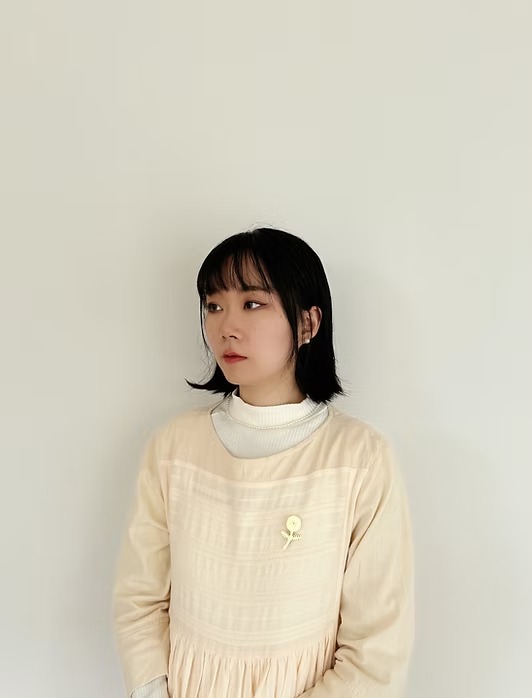
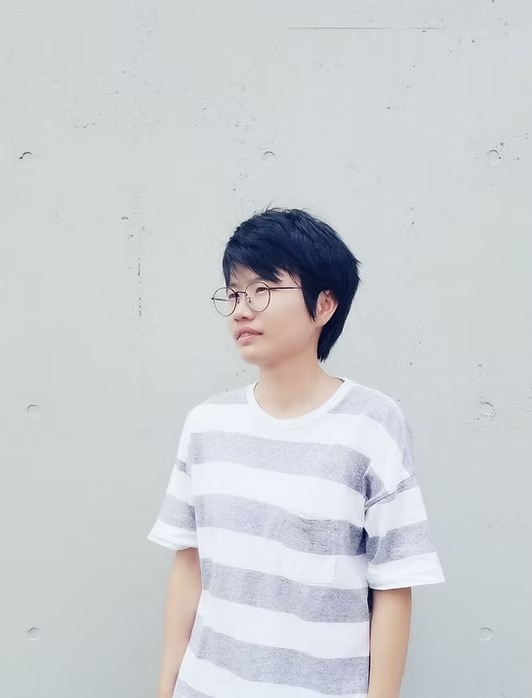
In October this year, Lingganjia interviewed the two founders of the Dreaming Collection series—Wan He and Li Feng.
Both are young designers and entrepreneurs who studied in Japan before returning to China. Together, they chose a path few people dare to take: from pet urns that hold farewell, to everyday objects that carry emotional comfort, they are gently but firmly reshaping a quiet, often overlooked industry.
A Memory Box That Wants to Be Touched
The passing of a pet is one of the hardest experiences any owner will face.
Where do emotions go when there is nowhere to place them?
Some people choose to keep a trace behind—a tuft of fur, a small jar of ashes. These things all need a container.
But the moment you hear the words “urn,” most people instinctively resist. The object often feels too heavy, too cold, too solemn—like a silent “sentence of death.” Placing it at home can sometimes make grief feel even closer to the surface.
So the question becomes:
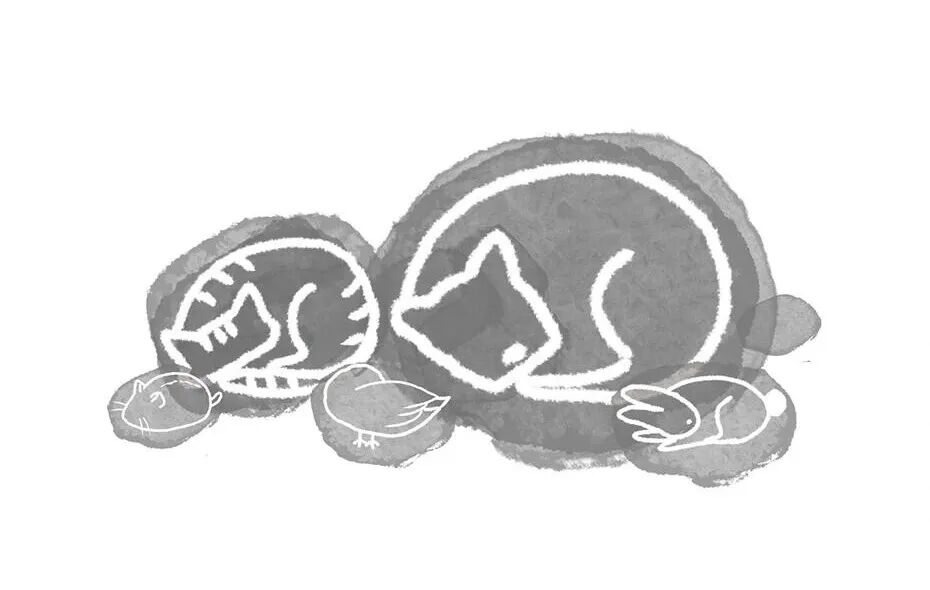
Can a pet urn feel warmer? Softer? Even a little comforting—maybe even cute?
“I don’t think death is something we need to avoid,” Wan He says. “Even if they are gone, I still want to feel close to them, to touch them. I don’t want to push them away immediately.”
That idea—touching—became the starting point of her design language.
From there, the pet memorial brand Dreaming was born.


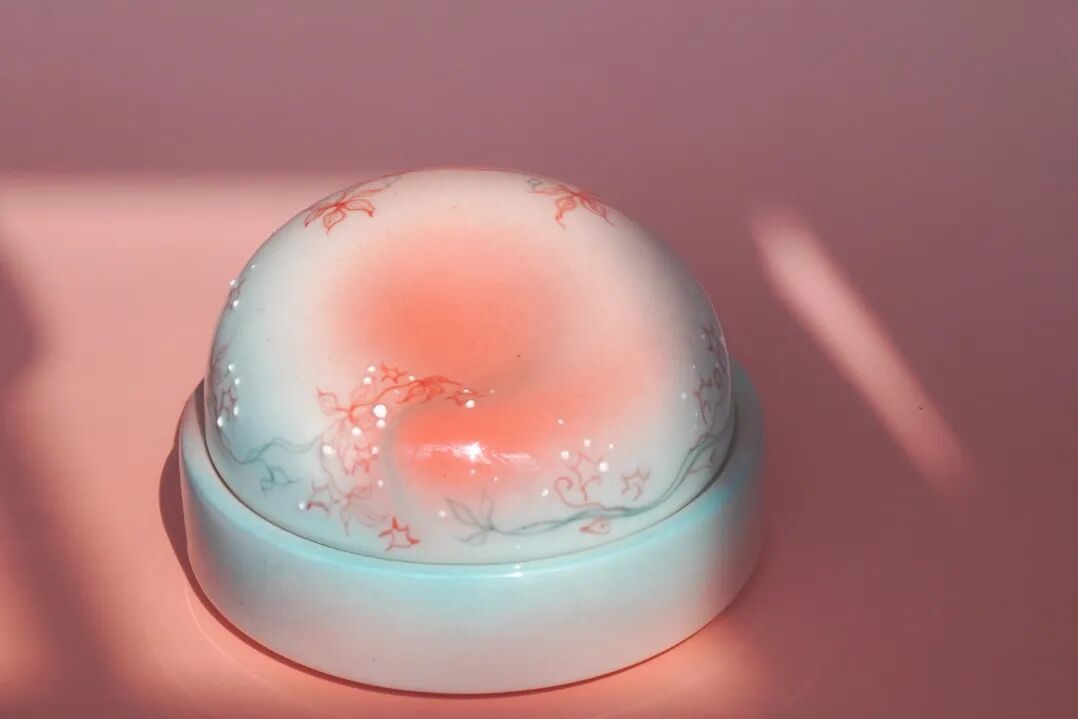
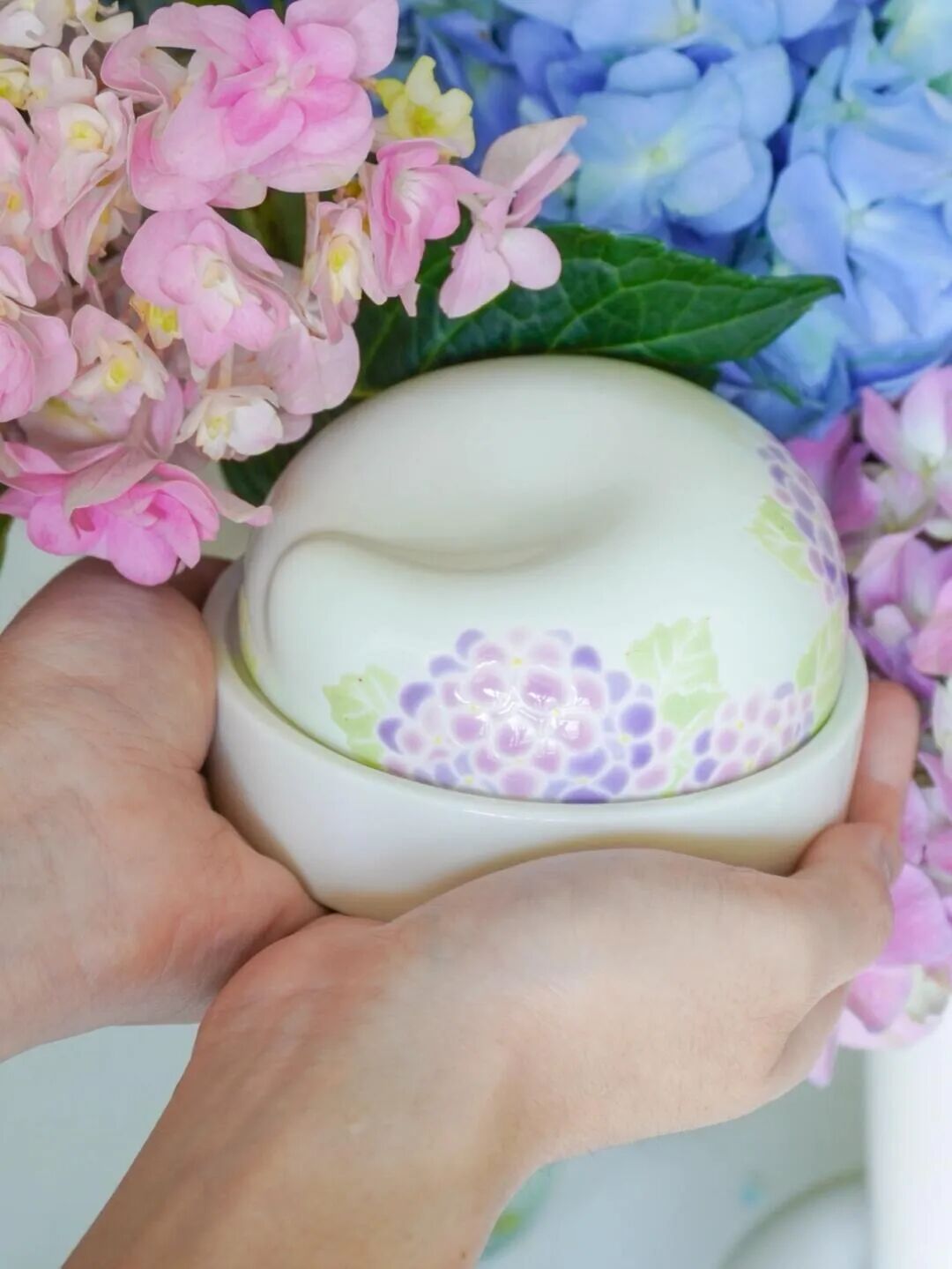
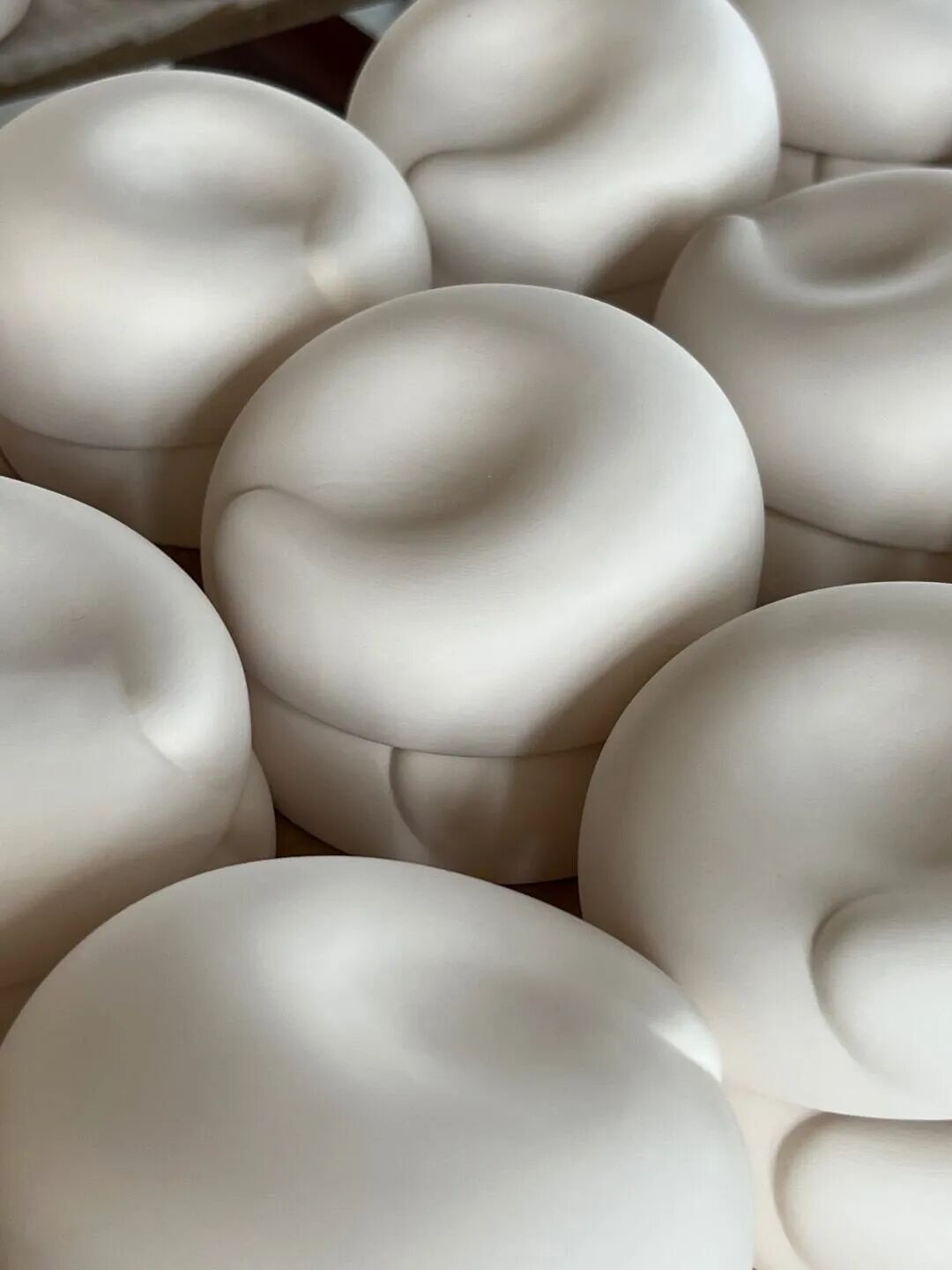
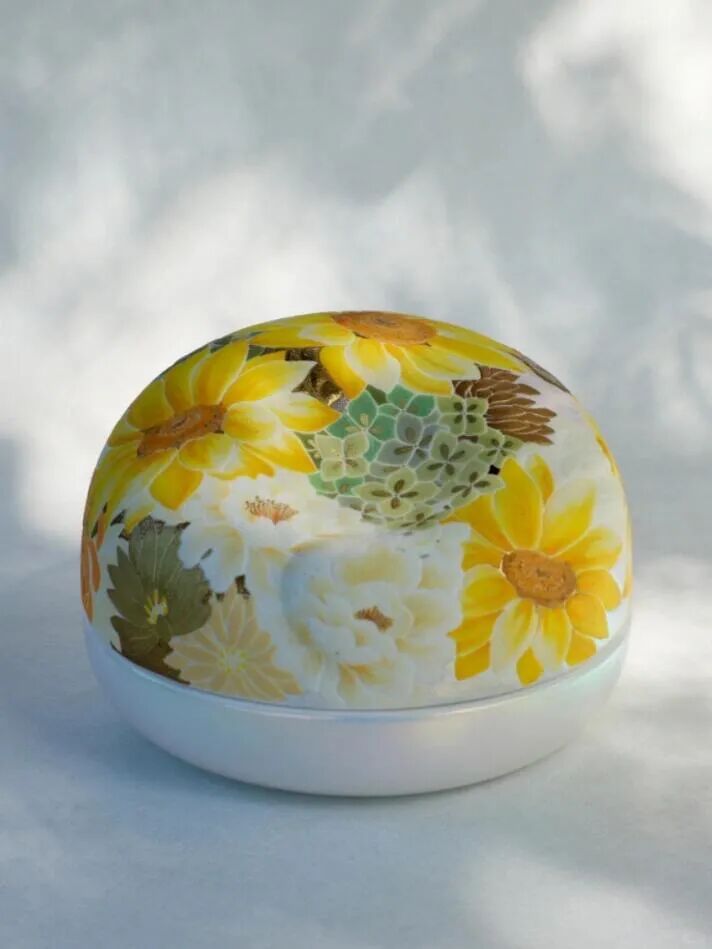
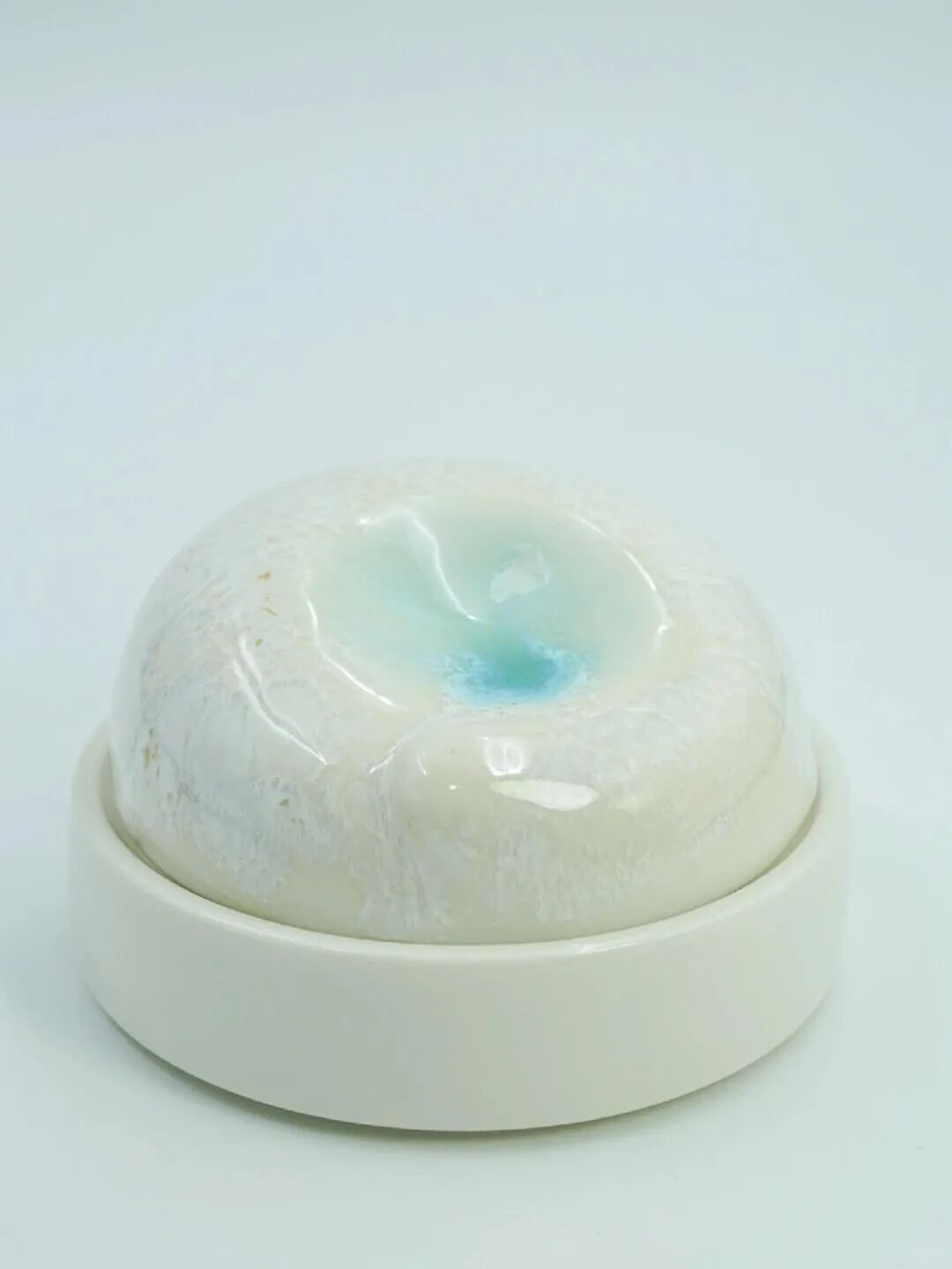
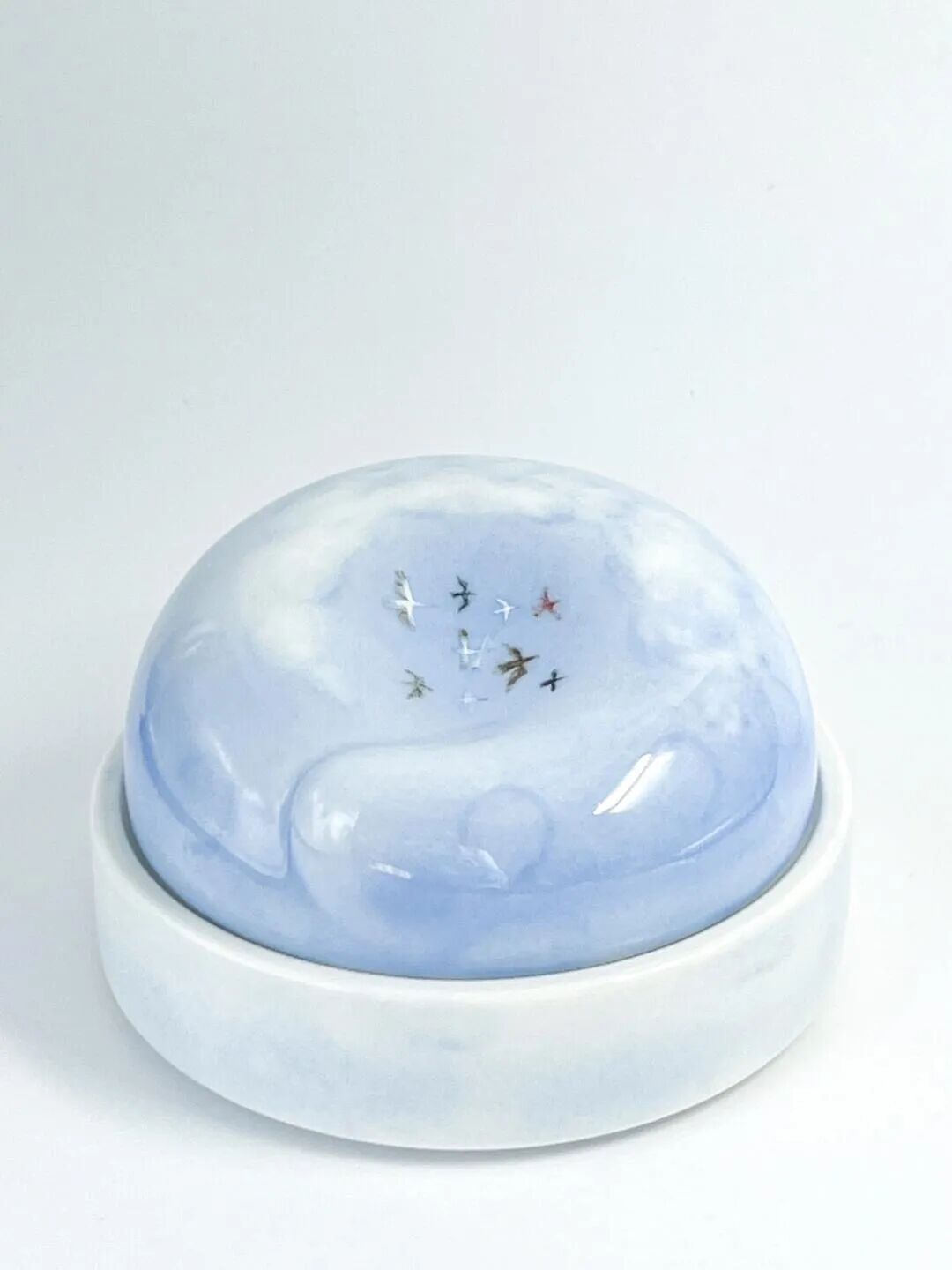
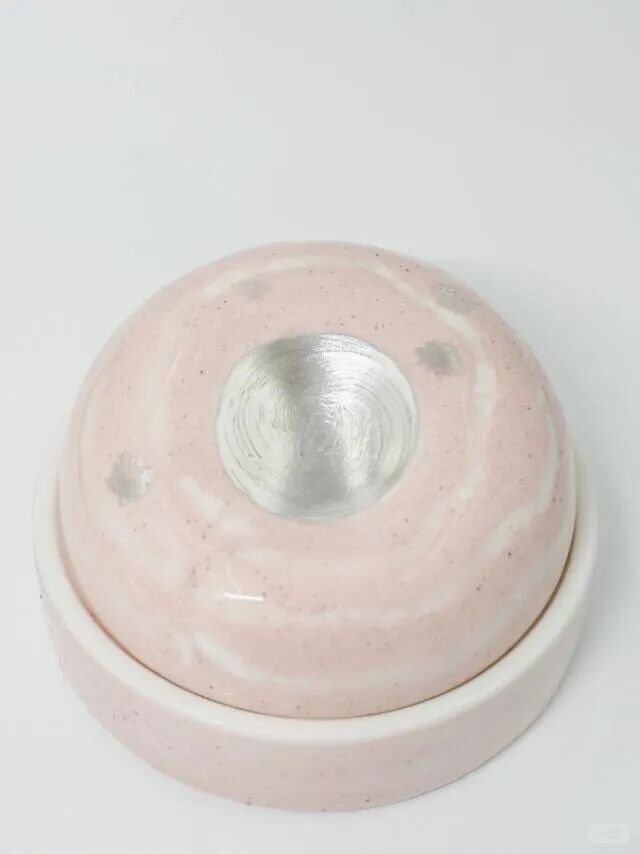
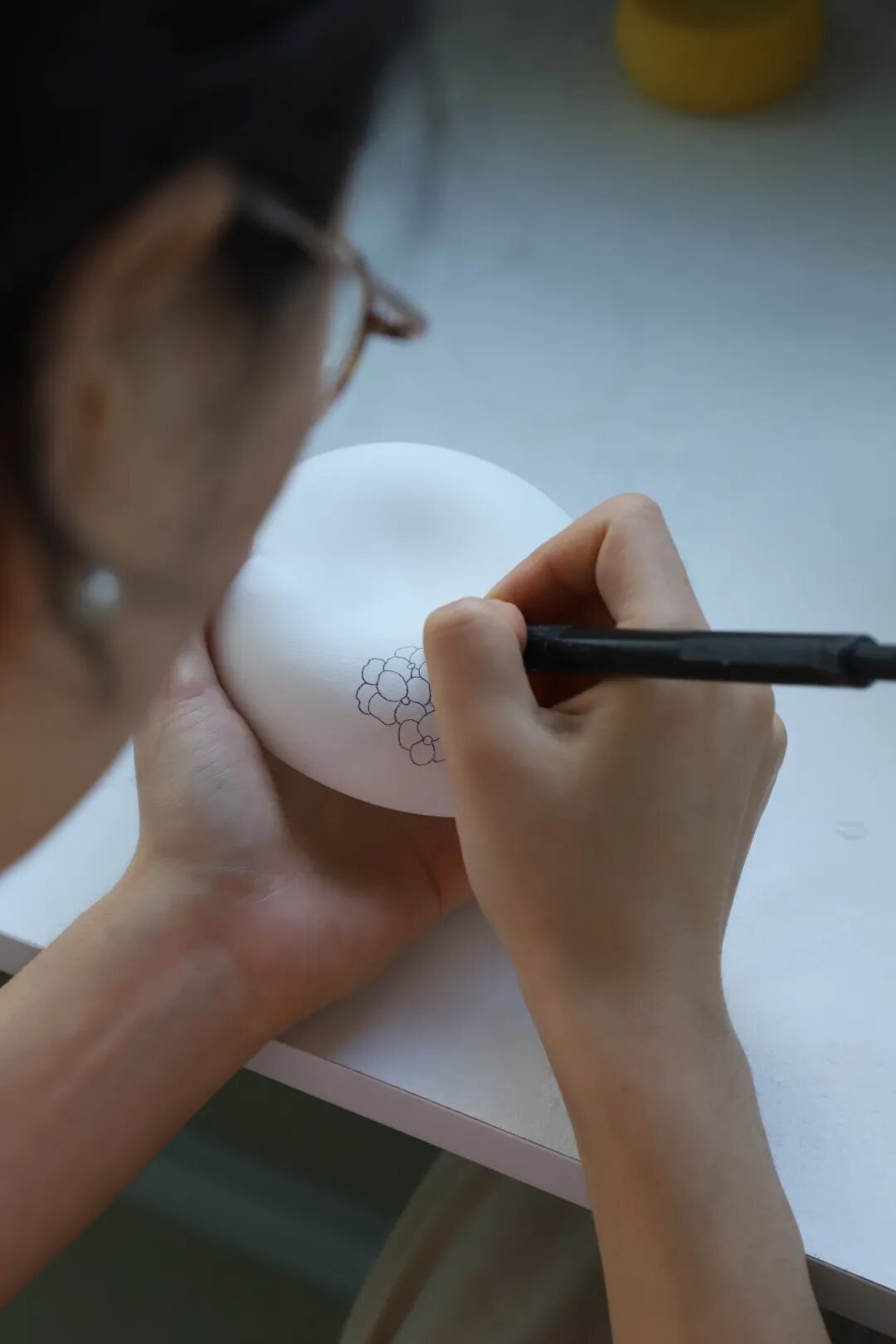
The forms are round and smooth, like a sleeping little creature. No defined ears or tails—so they can represent any kind of pet. The gentle ceramic surface invites touch, and over time, it softens emotional tension.
Some customers even shared that it feels like an object they can place by their bedside without it feeling out of place.
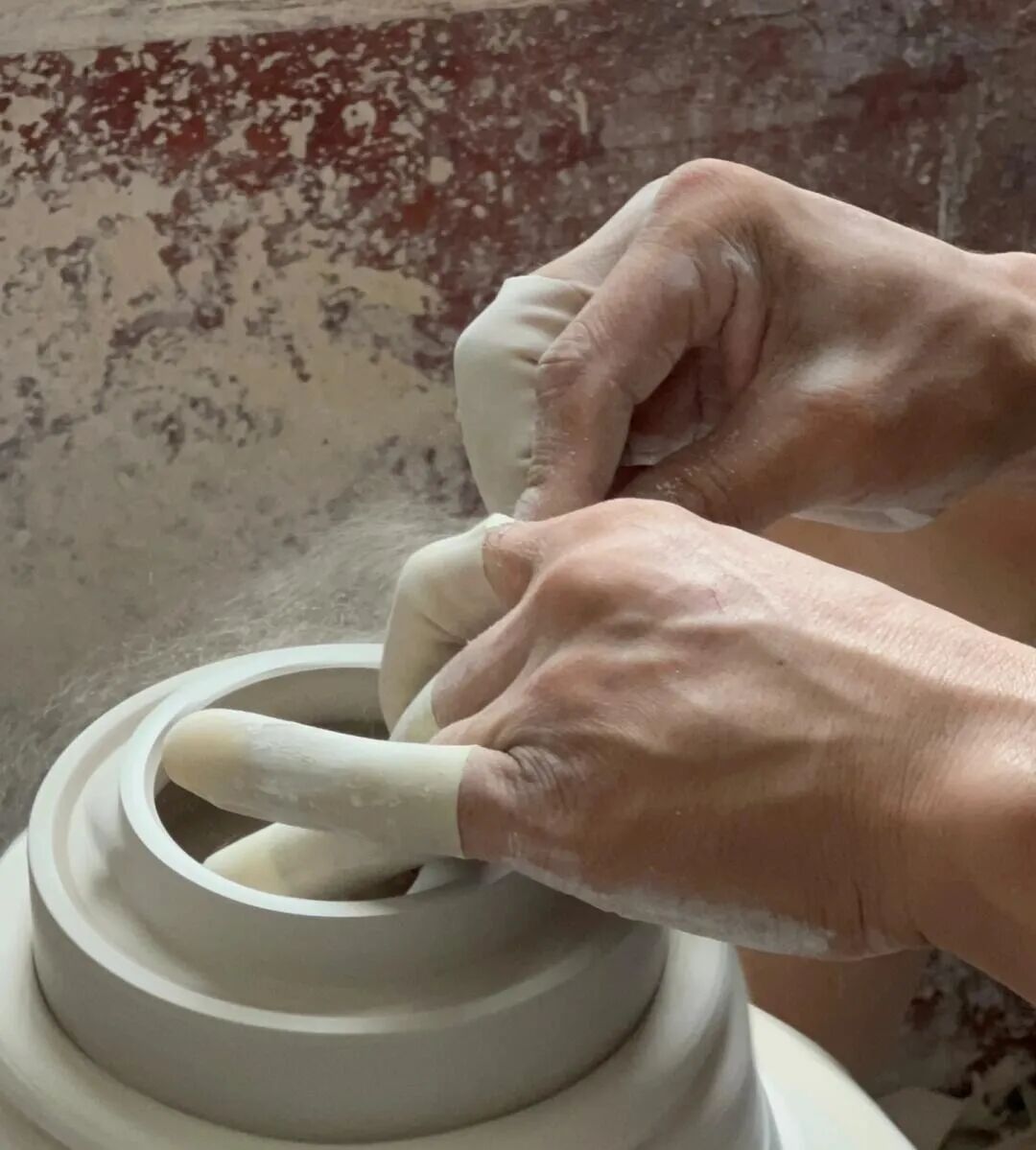
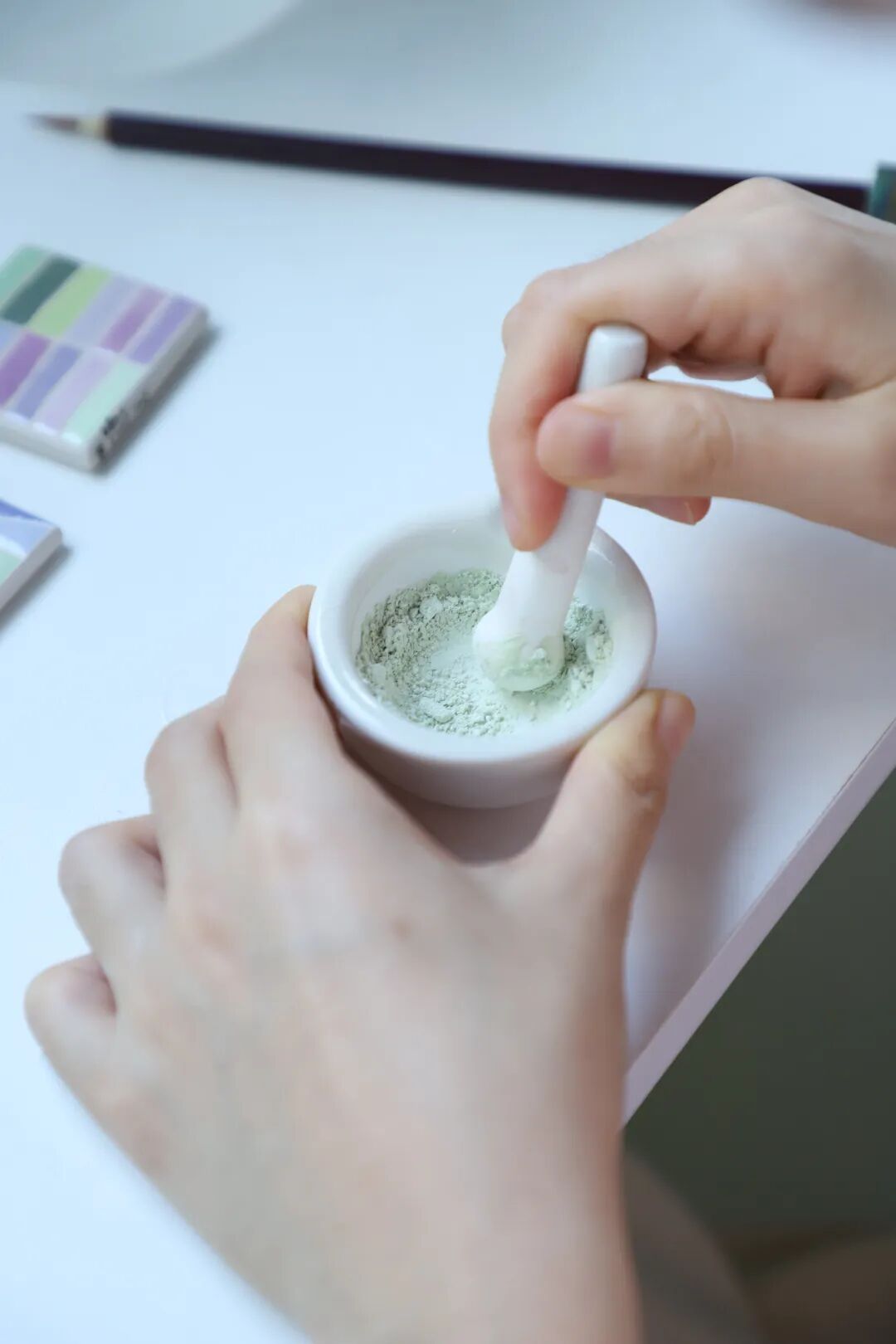
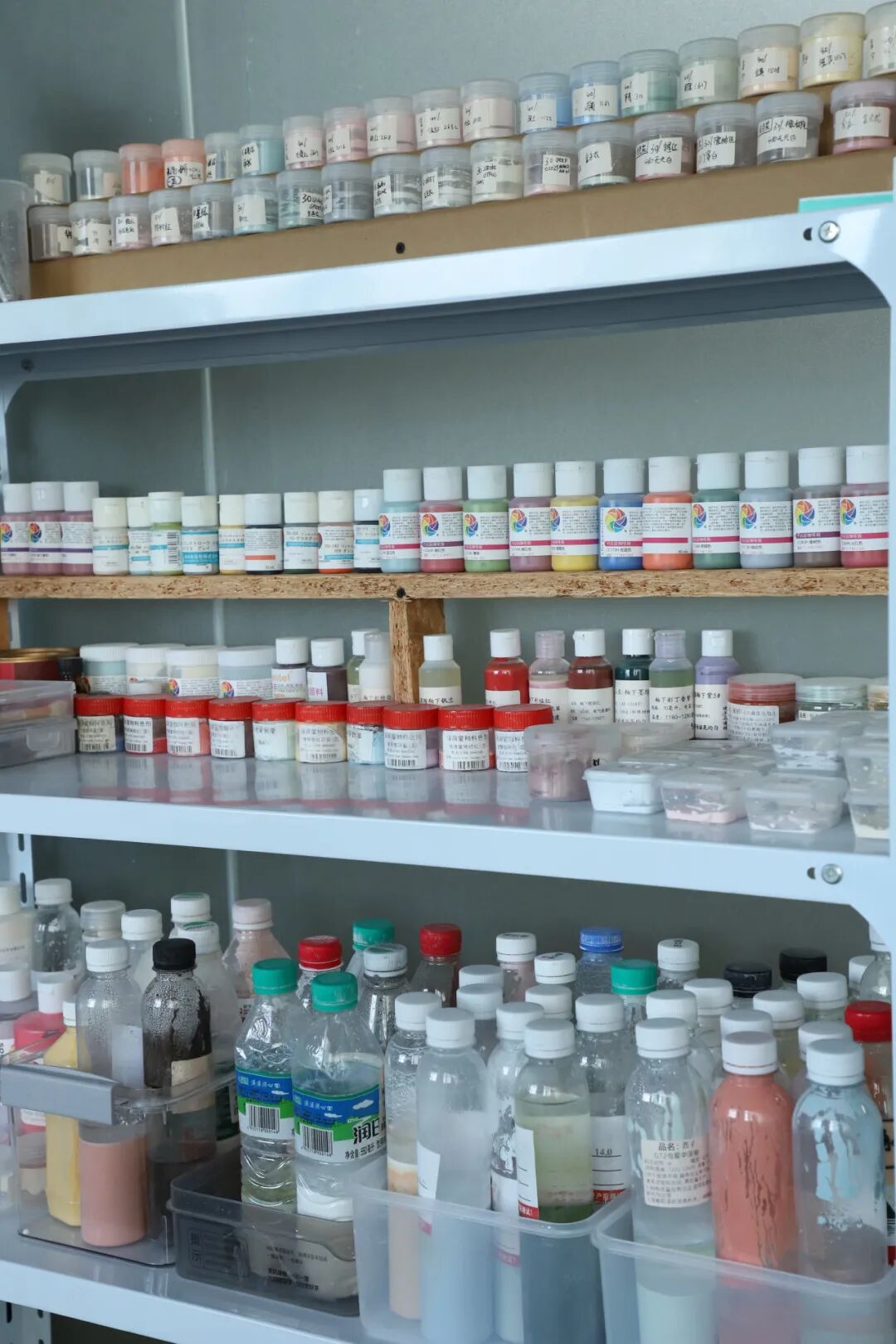
Most pieces are made from ceramic, emphasizing natural texture. The design process often begins with small experiments on cups and vessels—testing glaze, color, and feel—before transferring those qualities onto the final urn.
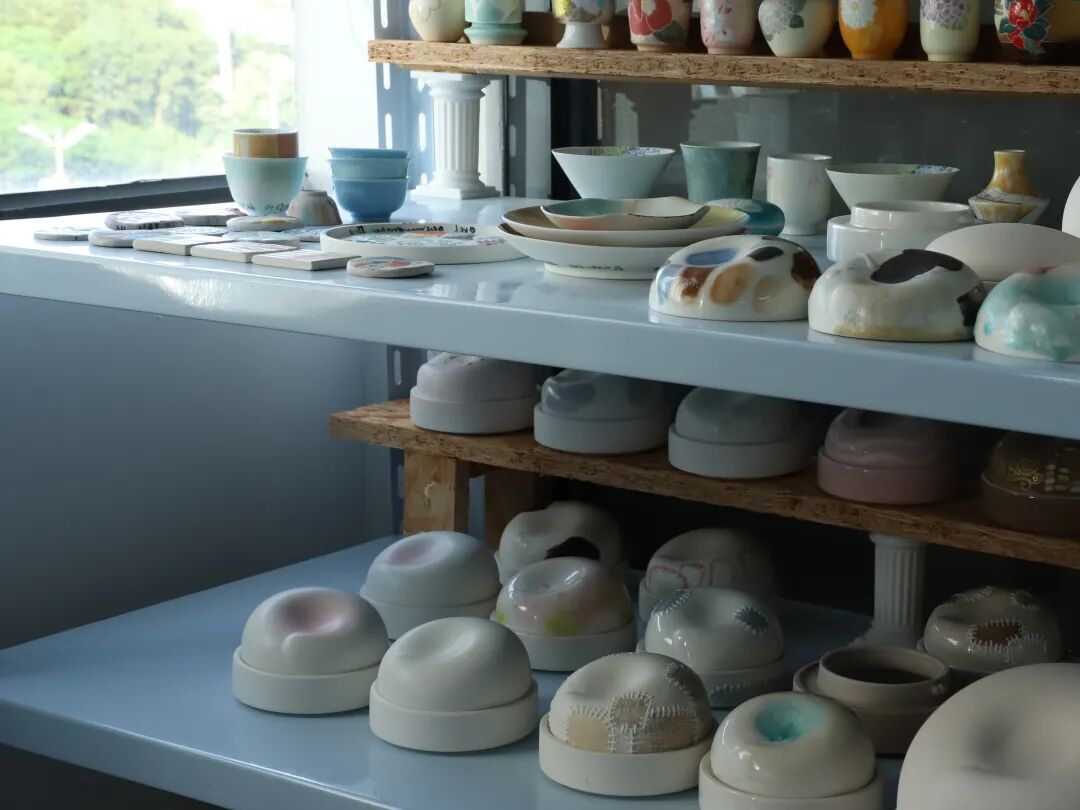
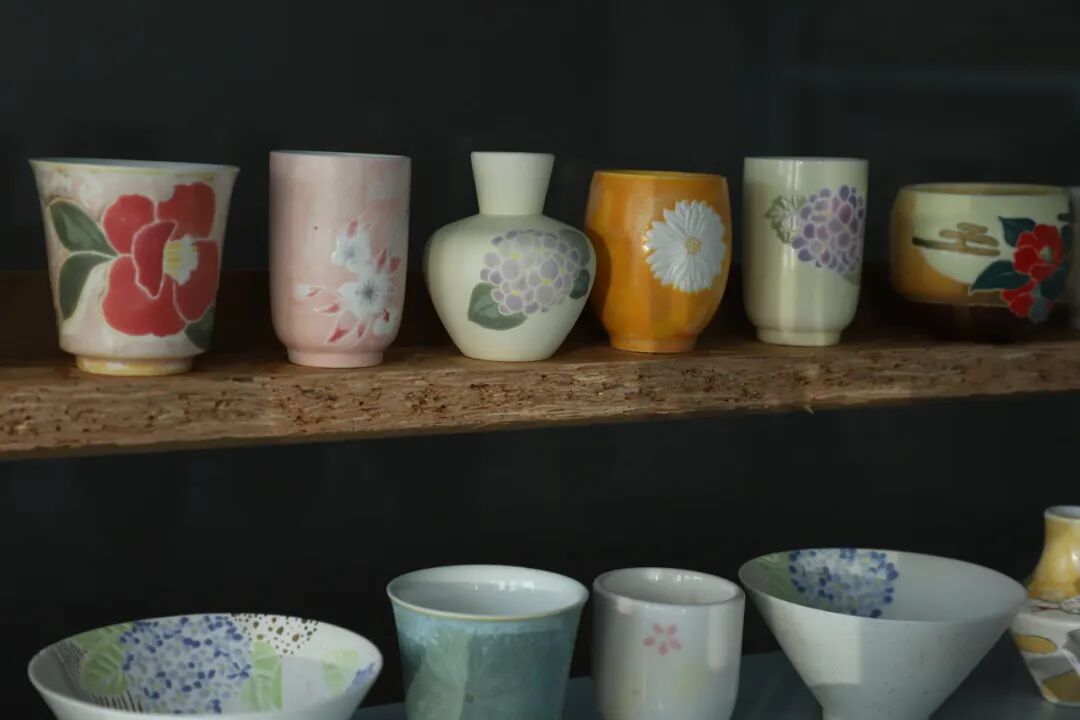
Naming is also treated with care, almost like naming a pet.
Seasonal references and classical poetry often inspire the series names, aligning tone with form.
Spring collections like “Peach Blossom,” “Falling Petals,” and “Returning Swallows” feel light and tender.
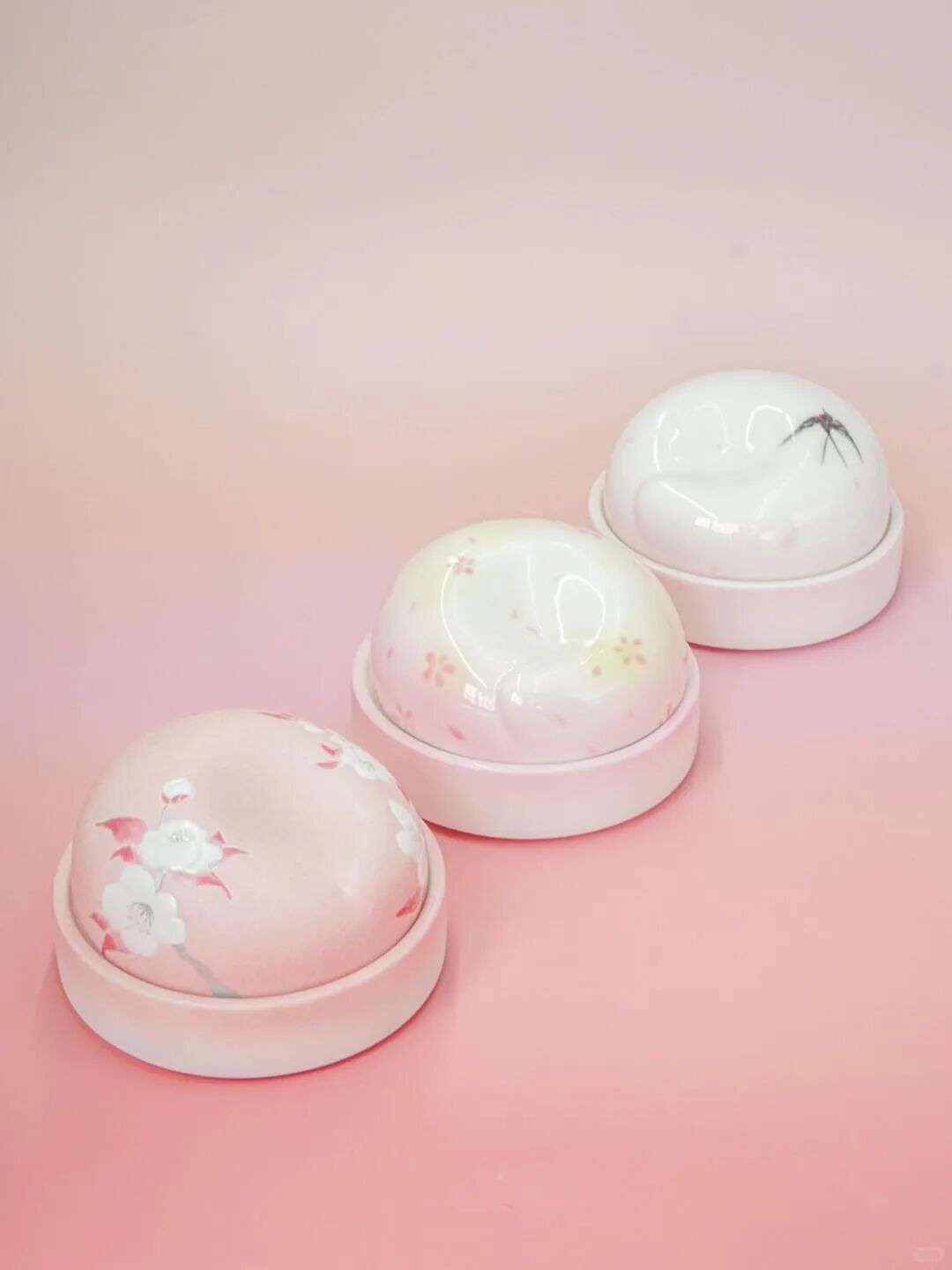
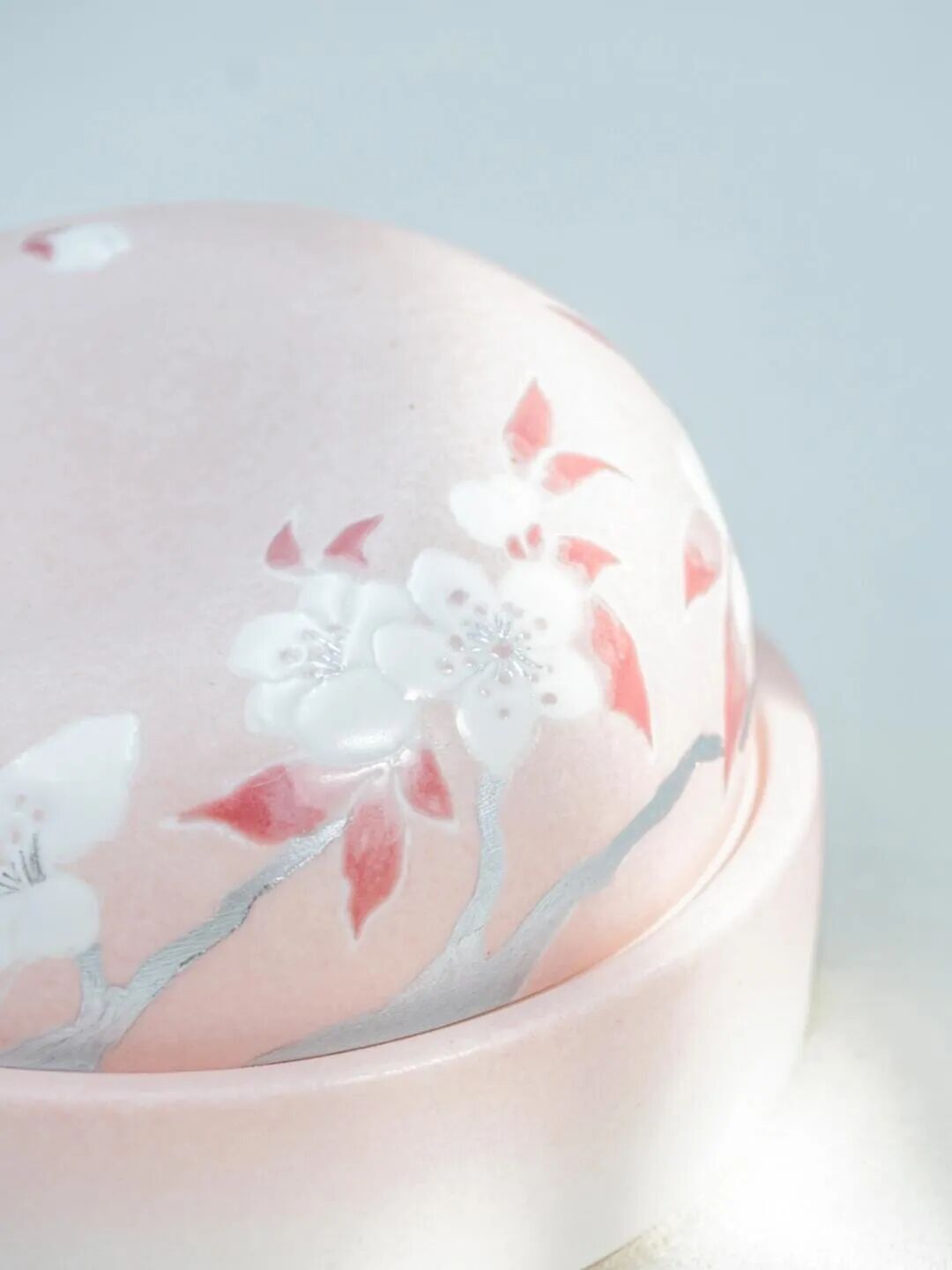
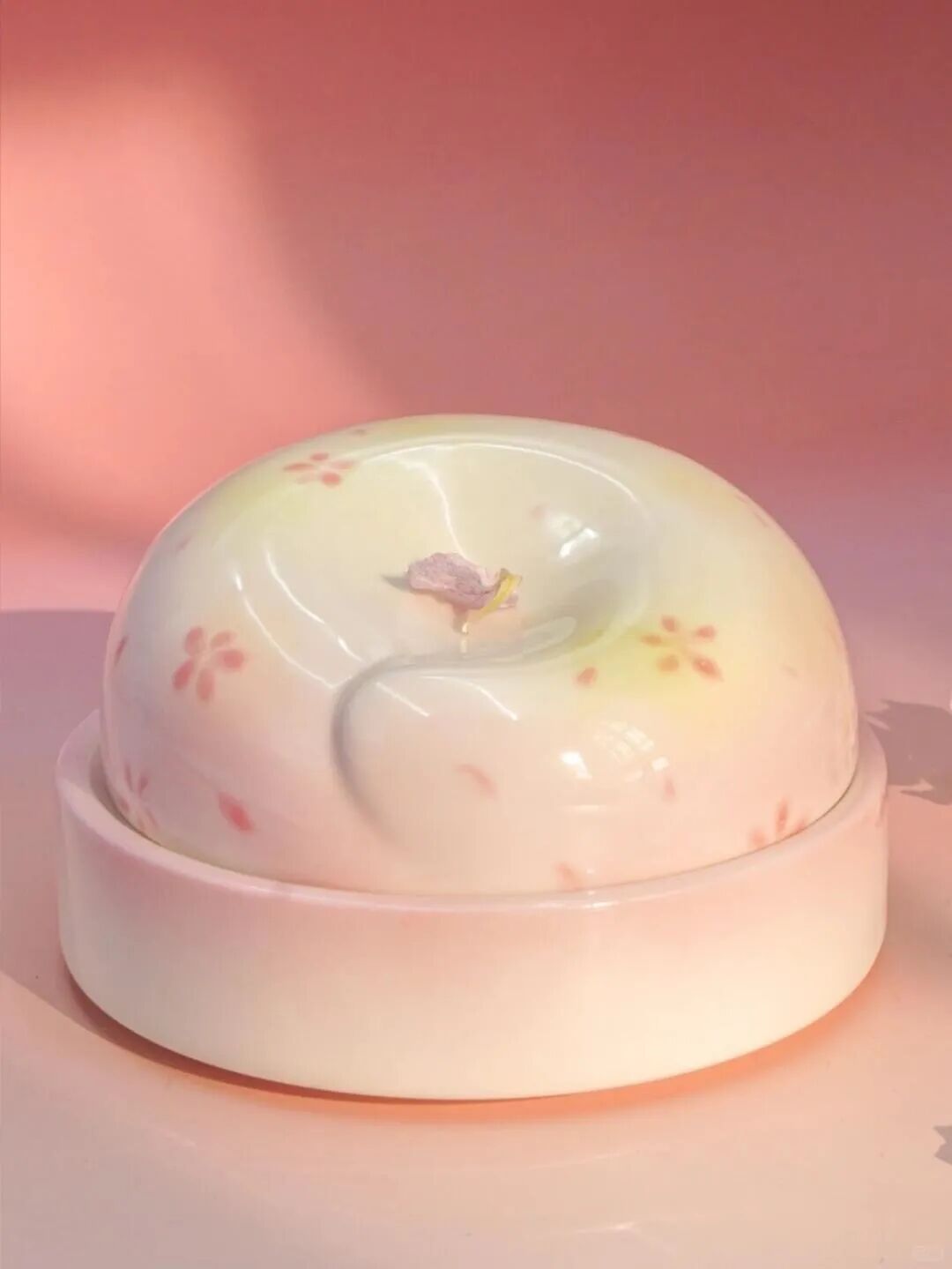
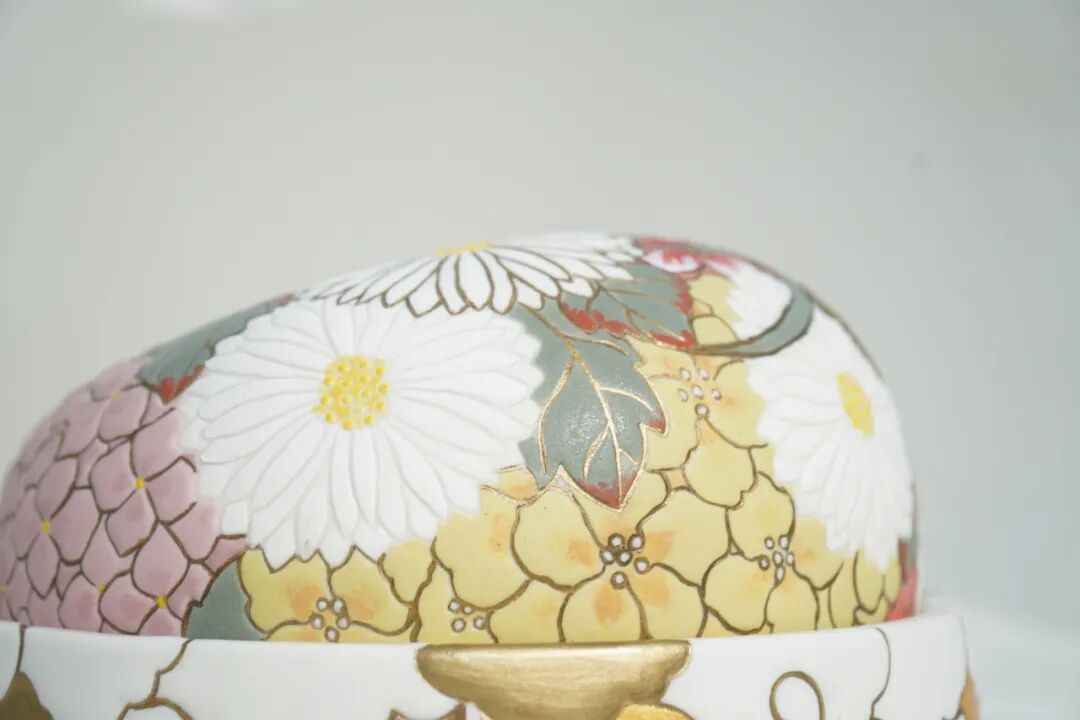
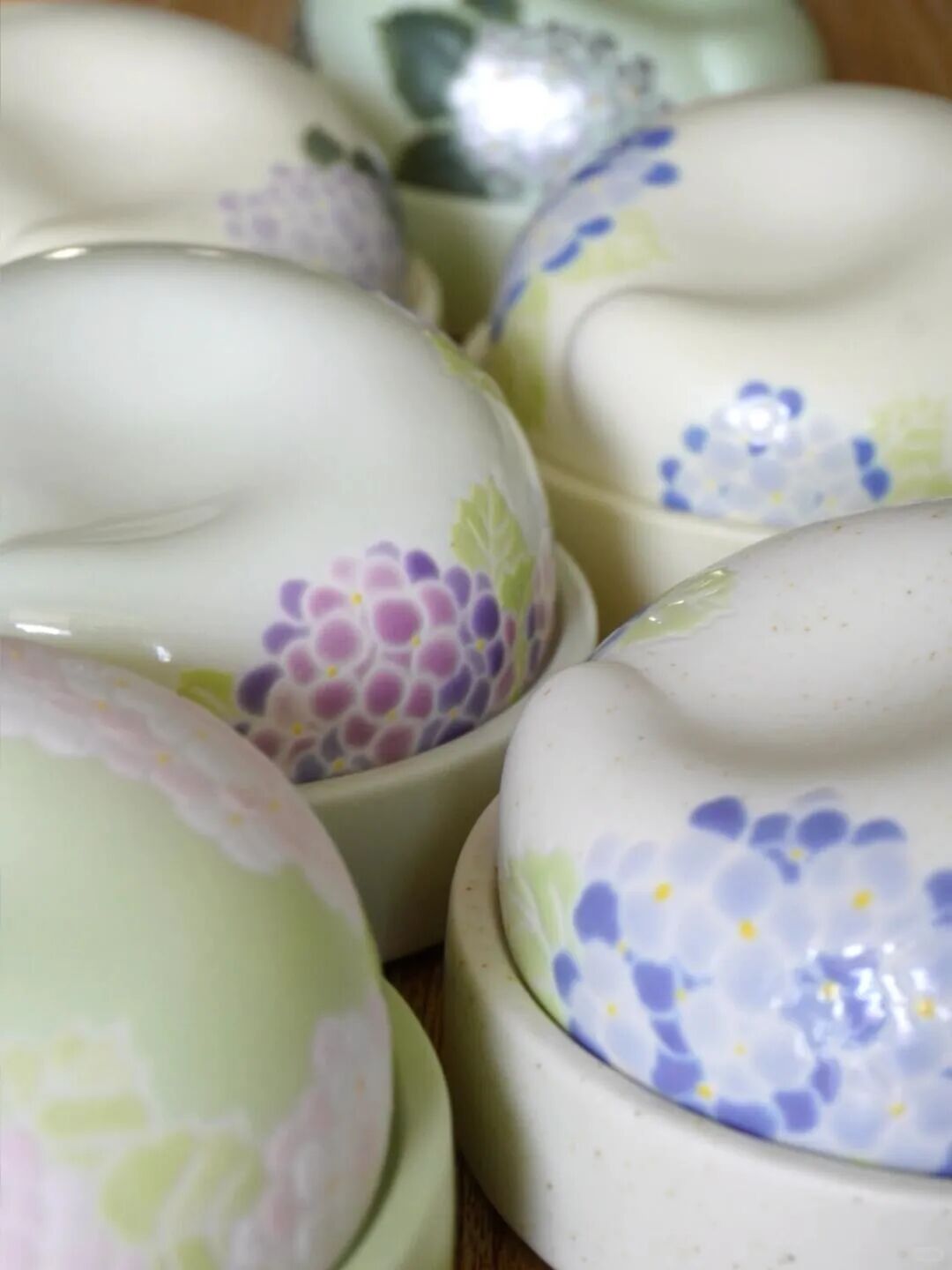
The summer series “Endless Summer” is inspired by blooming hydrangeas. Its floral meaning speaks of reunion, no matter how long the wait.
Darker-toned works like “Fireworks” and “Universe” carry a quieter, deeper stillness.


Most pieces are handcrafted, and because of the complexity of glaze and firing techniques, often only one or two pieces exist—making each object unique.
Some custom works are co-created with artists.
One example is “Kaleidoscope,” designed with Jingdezhen ceramic artist Yang Piaoxue. Layers of blue-purple glaze unfold like a hydrangea in full bloom, with touches of gold leaf fired at 1260°C and 800°C, freezing a moment of fragile beauty.
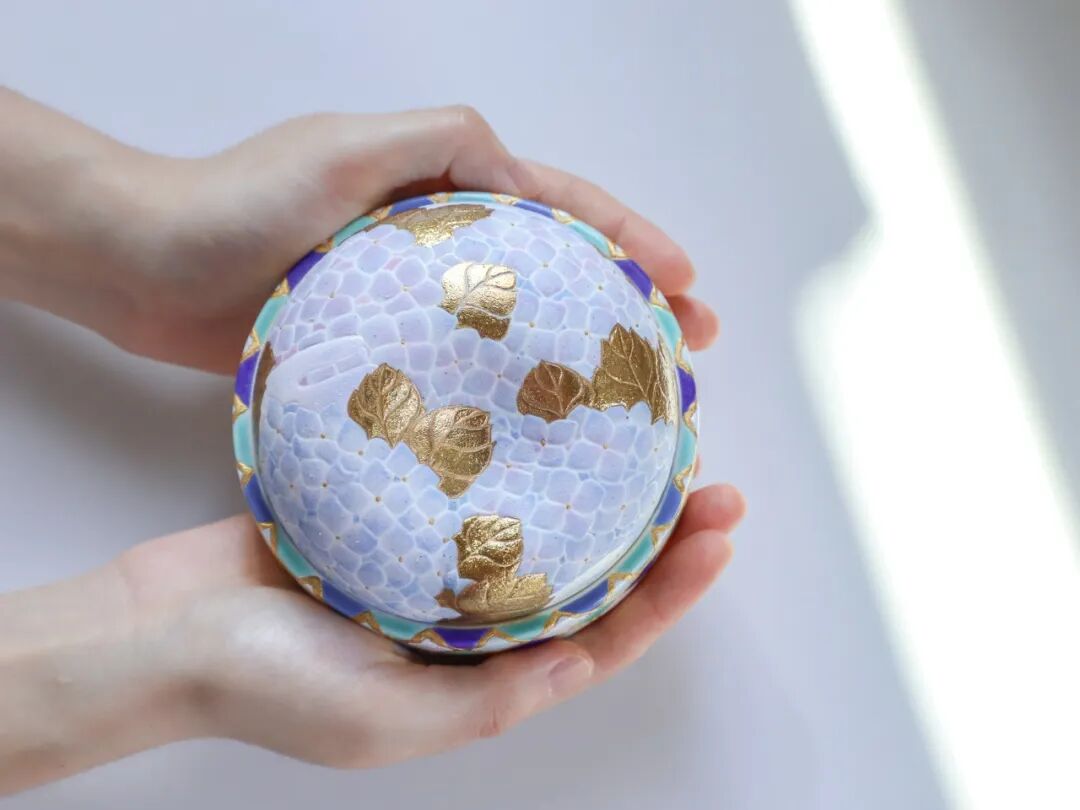
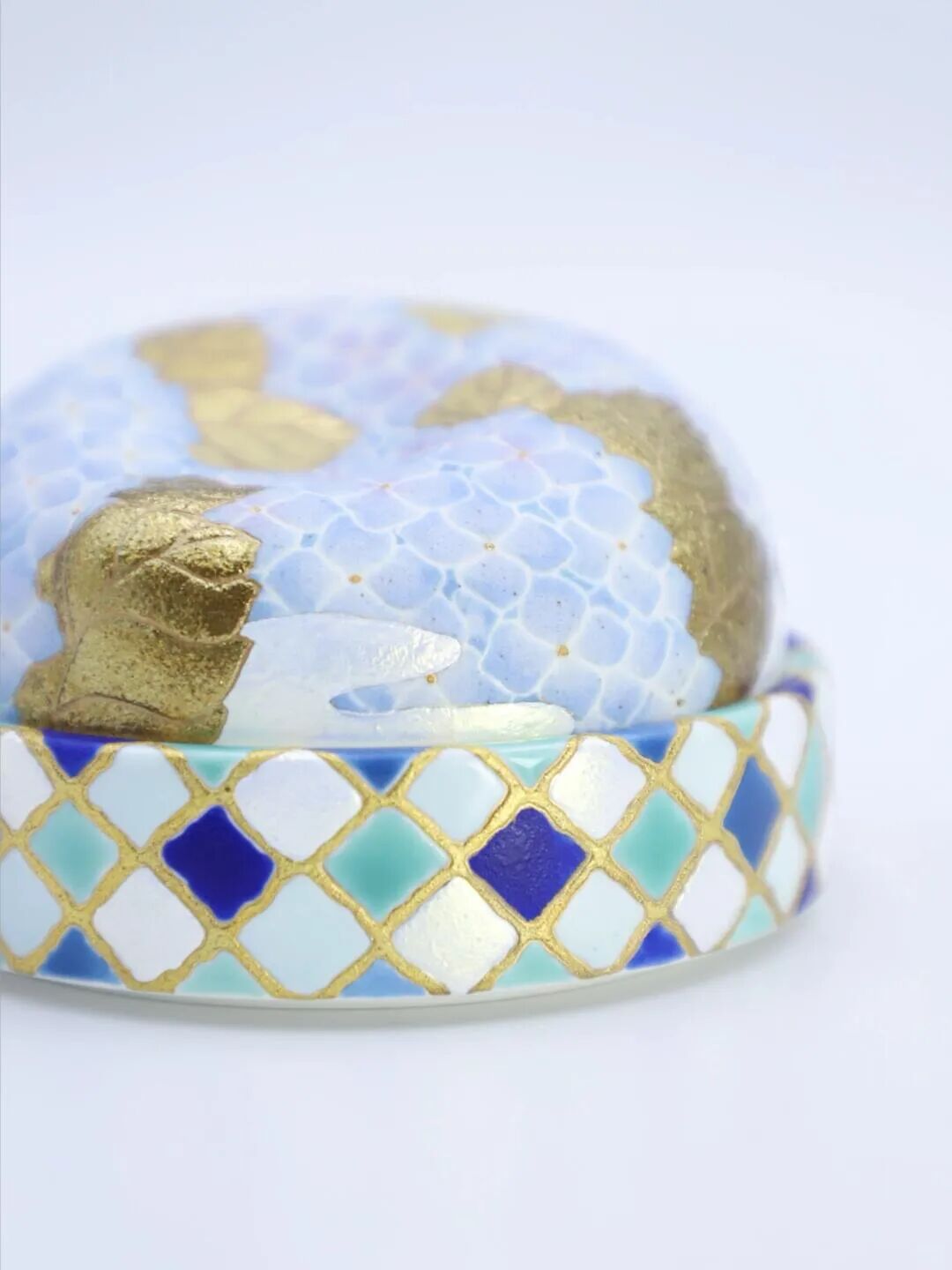
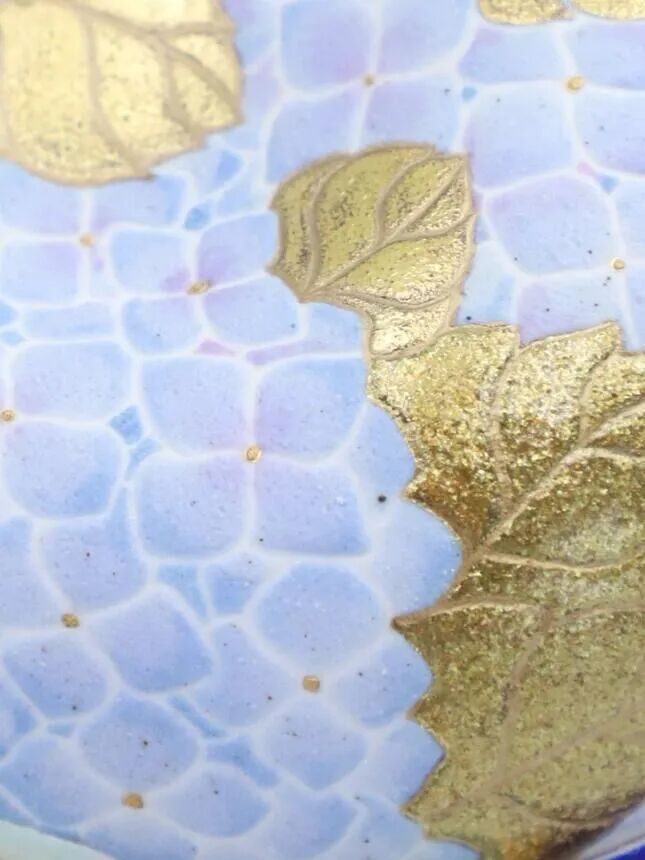
Inside the piece hides a small but emotional detail: a paw-shaped lock.
It acts like a tiny guardian, protecting what rests inside. It also prevents accidental opening, turning the act of opening itself into a ritual—like gently touching a paw once more.

Between Farewell and Continuation
Another design, “Hope Seed,” explores the idea of return.
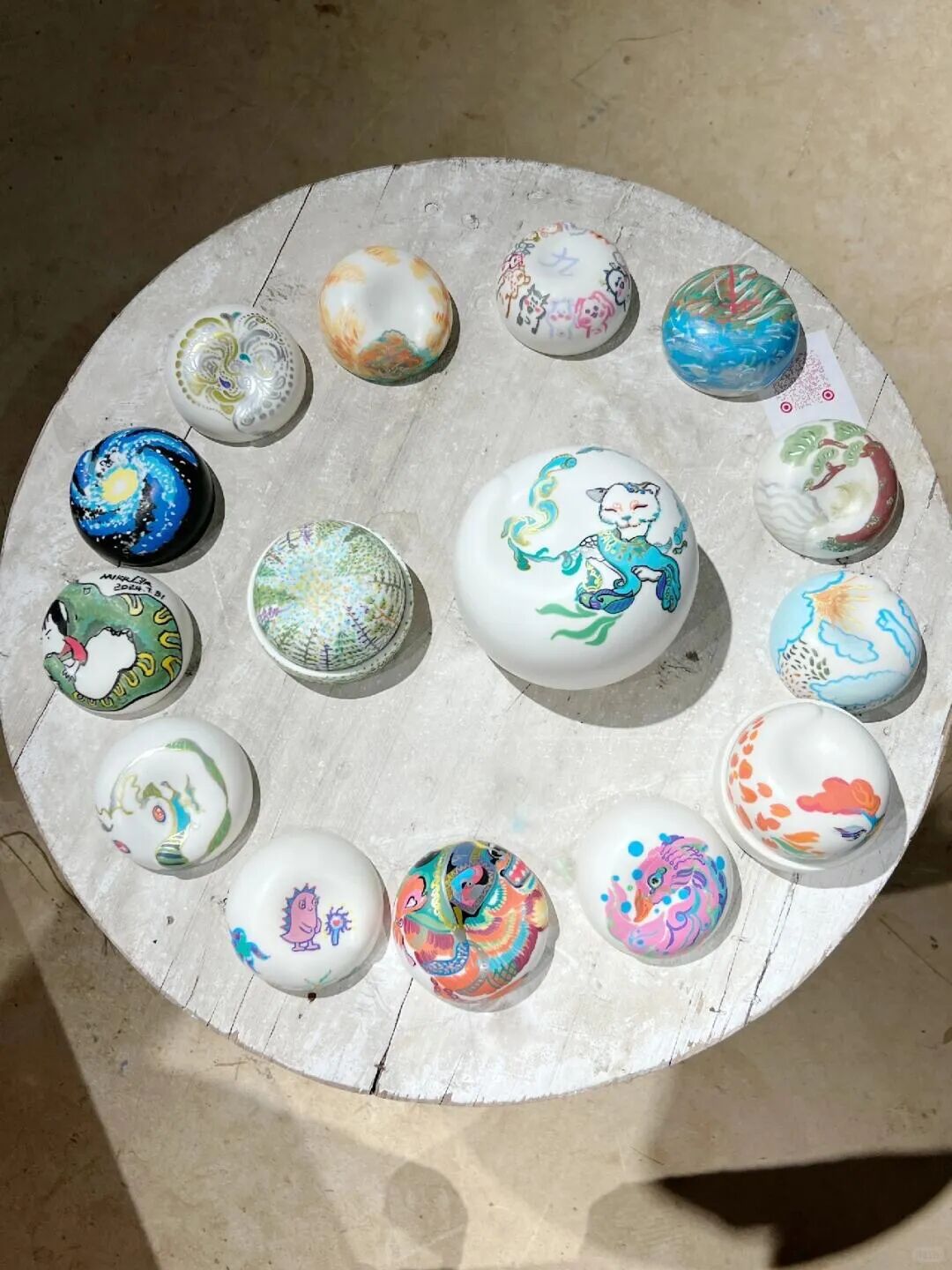
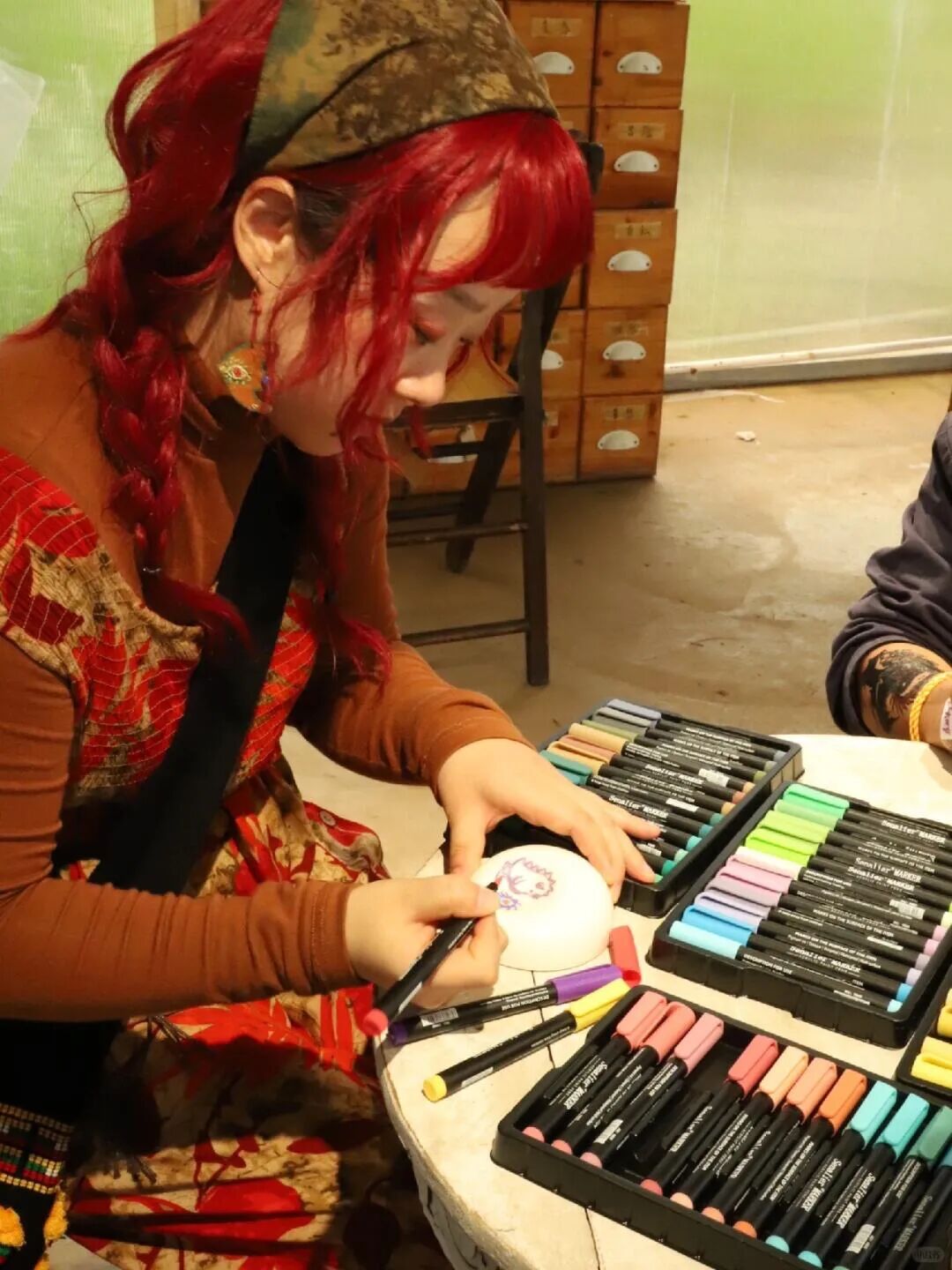
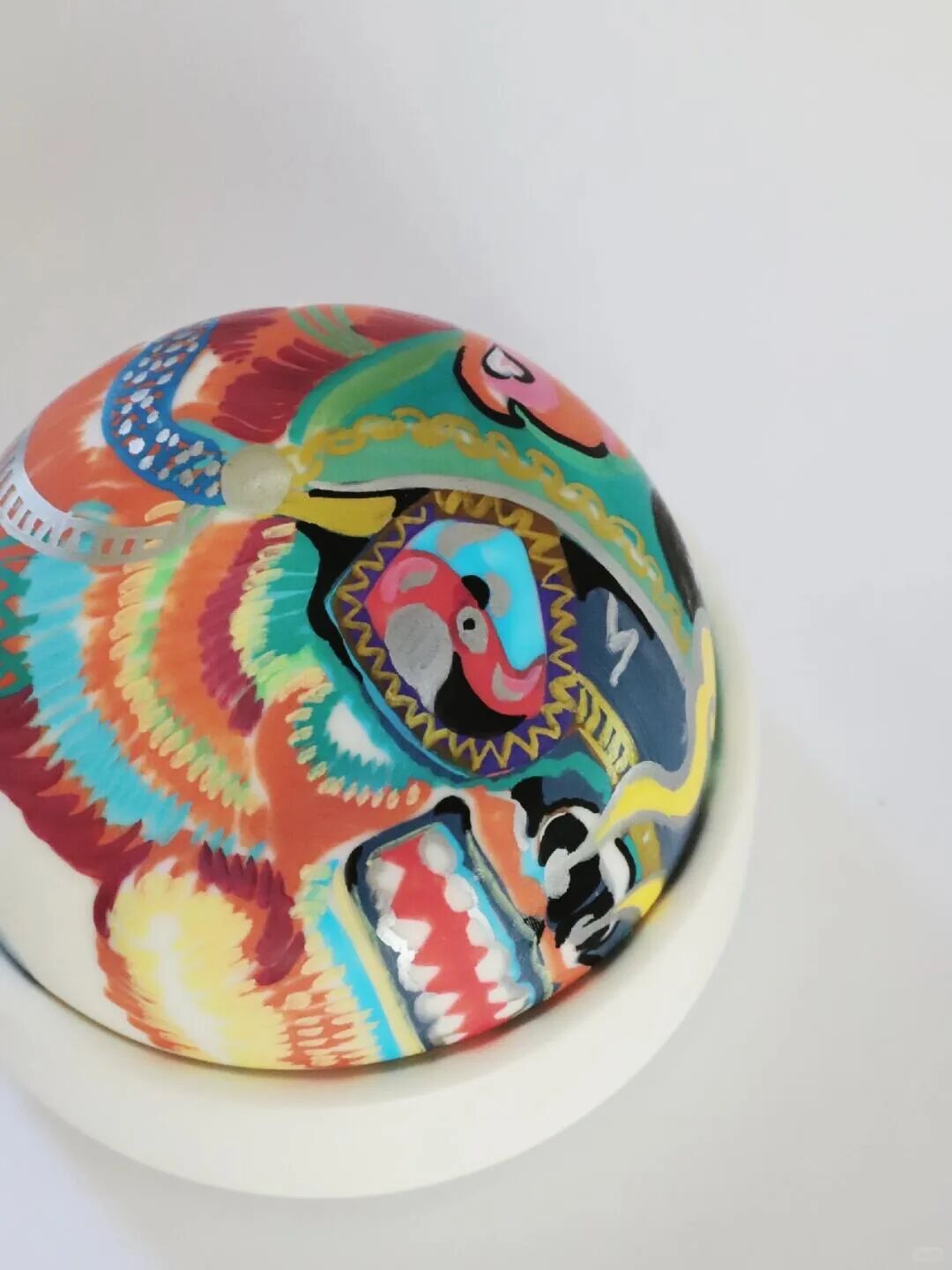
Made from biodegradable paper pulp, it can be buried and gradually returns to the earth. Its surface is left intentionally blank, inviting owners to paint it with memories and blessings.


A small pouch allows people to include favorite snacks of their pets, along with seeds such as sunflower, rabbit tail grass, or evening primrose. As they wait for things to grow, grief slowly transforms into a quiet hope for renewal.
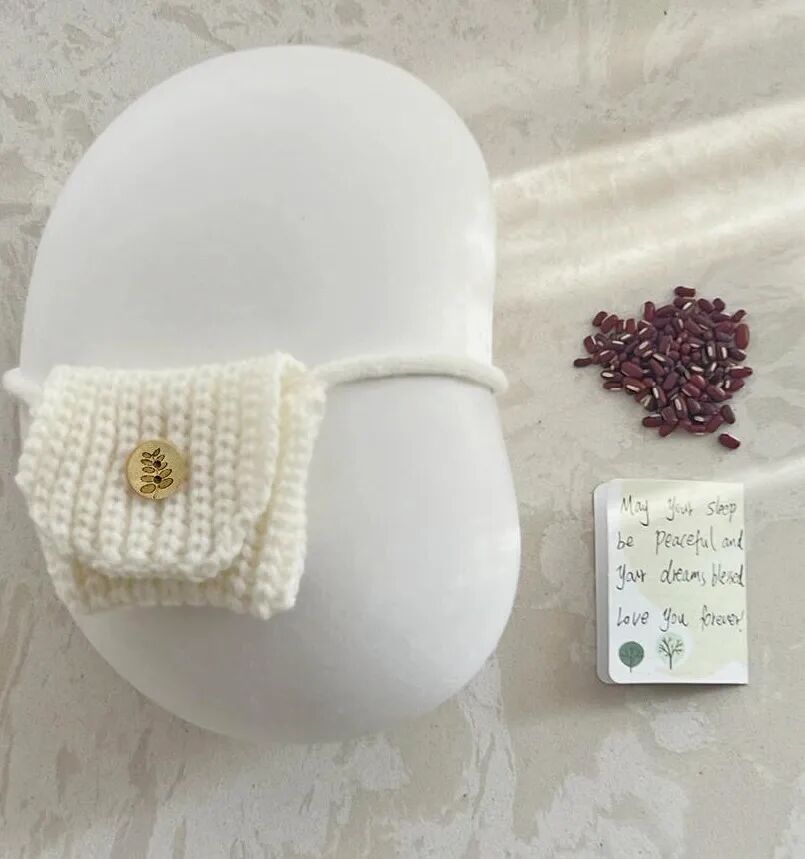
Biodegradable pet urn “Hope Seed”. Seeds can be placed in a small pouch. Recently, ginkgo and forget-me-not seeds have also been added.
A Chance Encounter That Changed Everything
When asked why she entered funeral design, Wan He recalls a spontaneous detour during her studies in Japan.
While researching aging-related design, she happened to pass a cemetery near Tokyo and decided to visit.
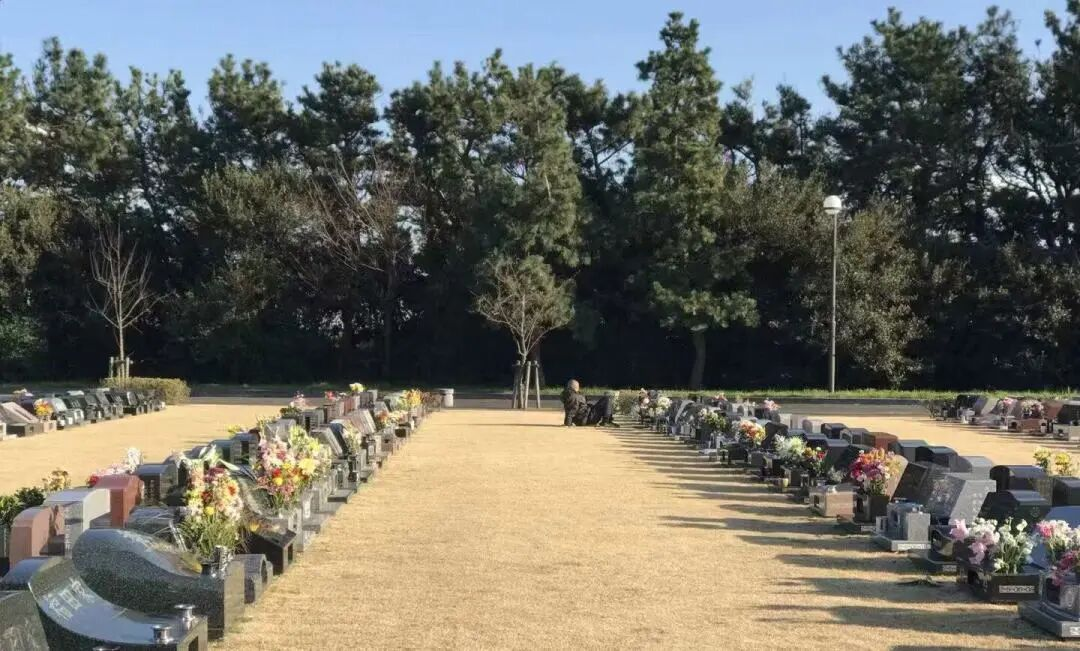
“It was by the sea, surrounded by forest,” she says. “It wasn’t cold or frightening like I imagined. It felt like a park. Some elderly people were even sitting there reading newspapers on folding chairs. The gravestones were all different—some transparent, some shaped like castles. It was very peaceful.”

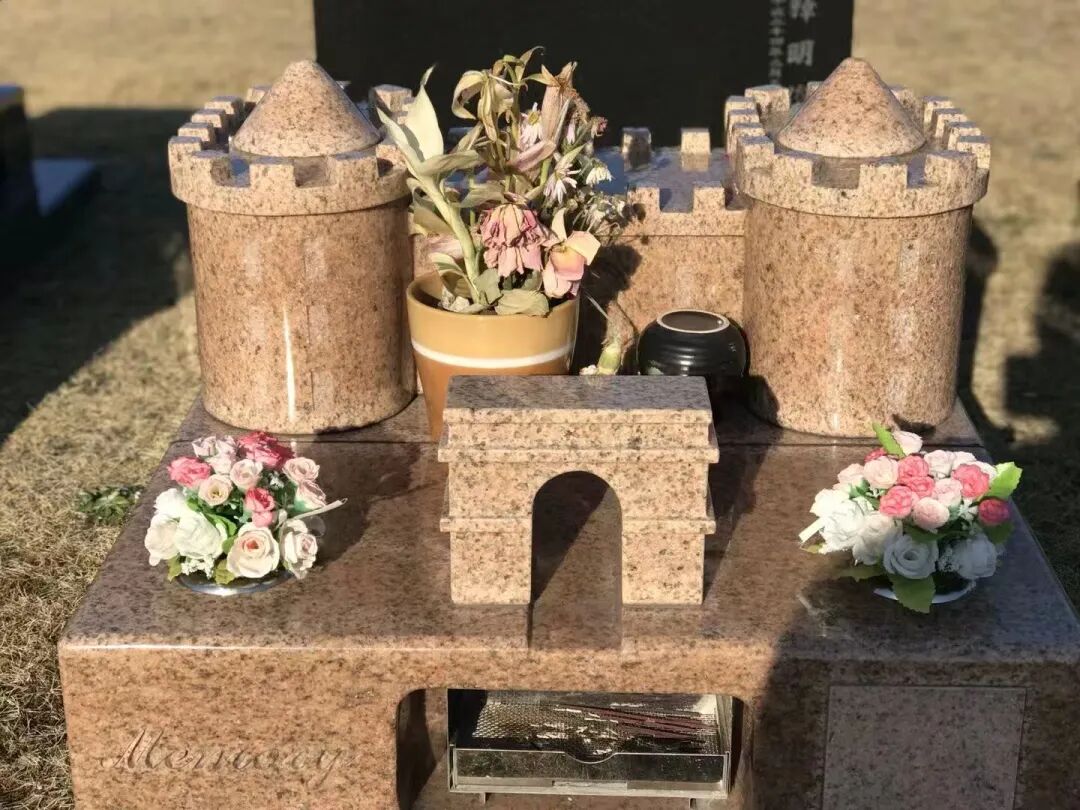
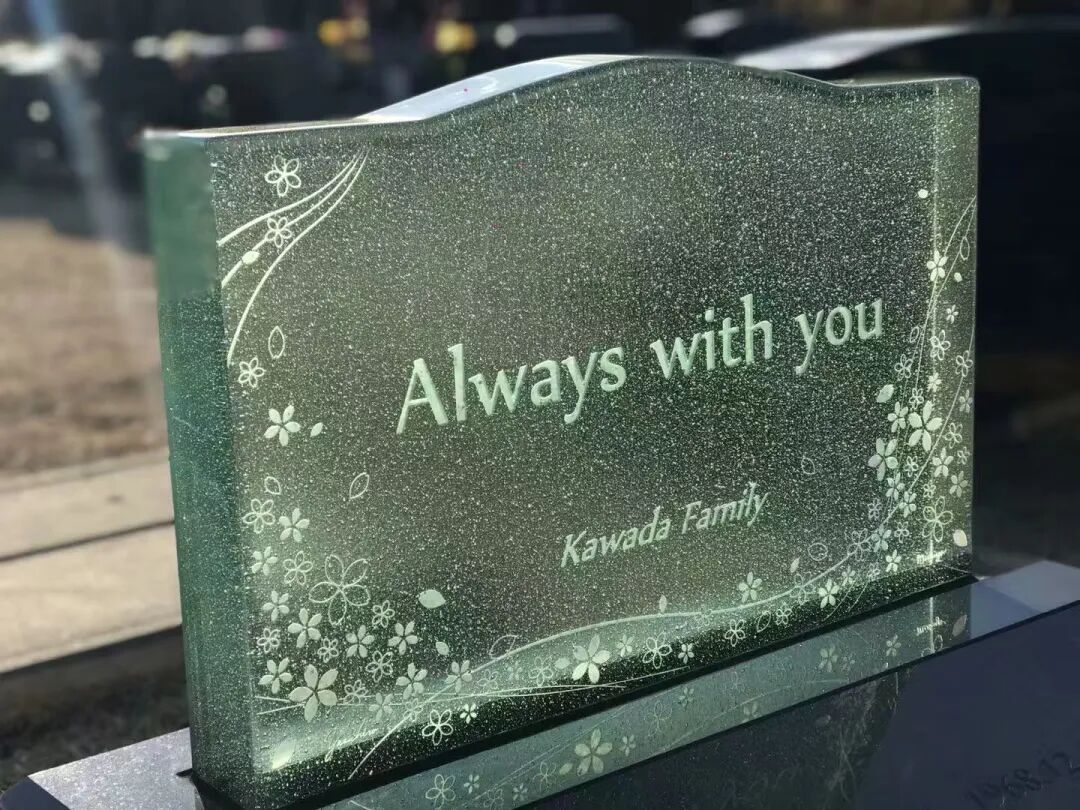

That experience changed her perspective completely.
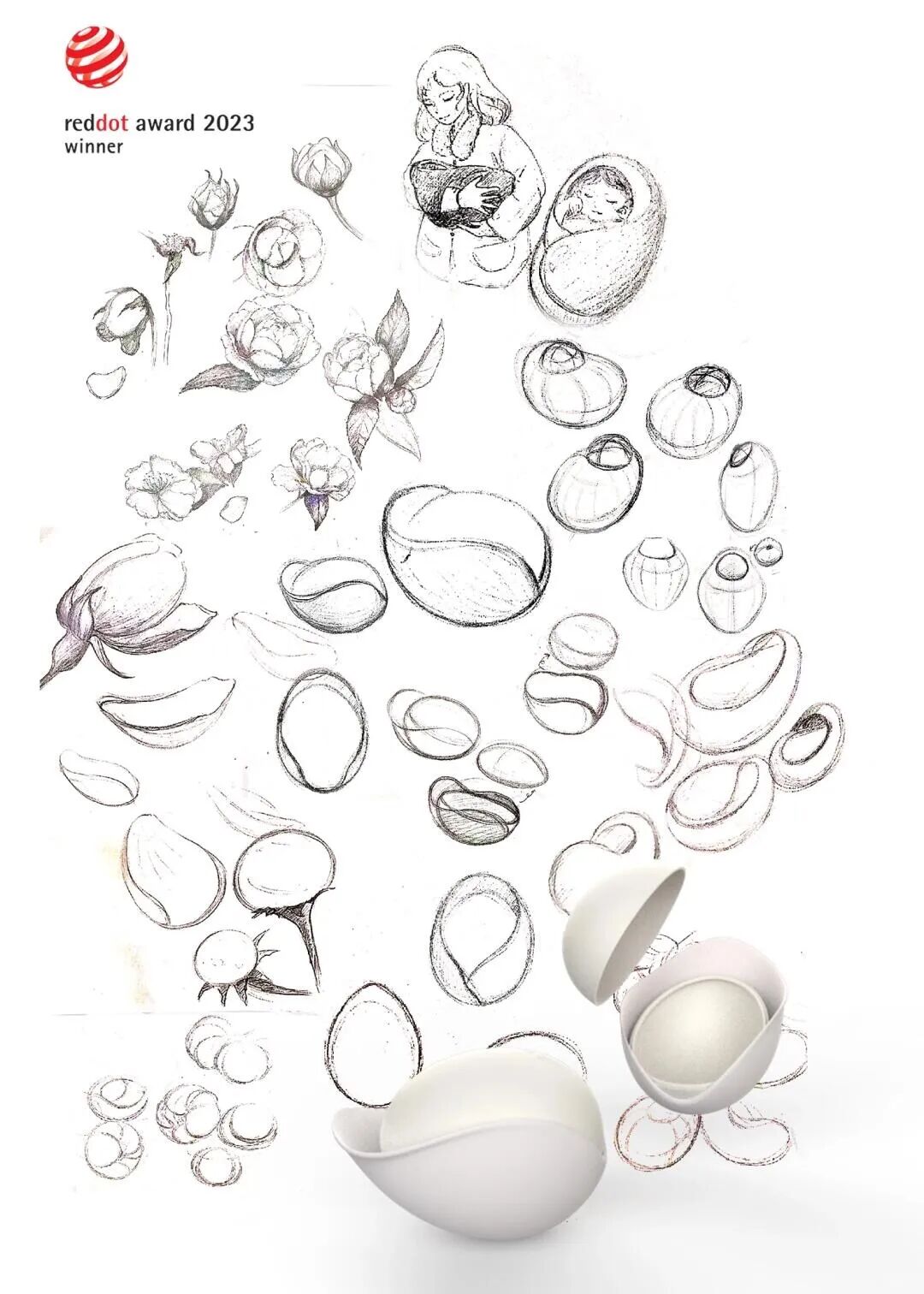
After that, Wan He created a graduation project titled “Bud,” a human-oriented urn design, which later won the 2023 Red Dot Concept Design Award.
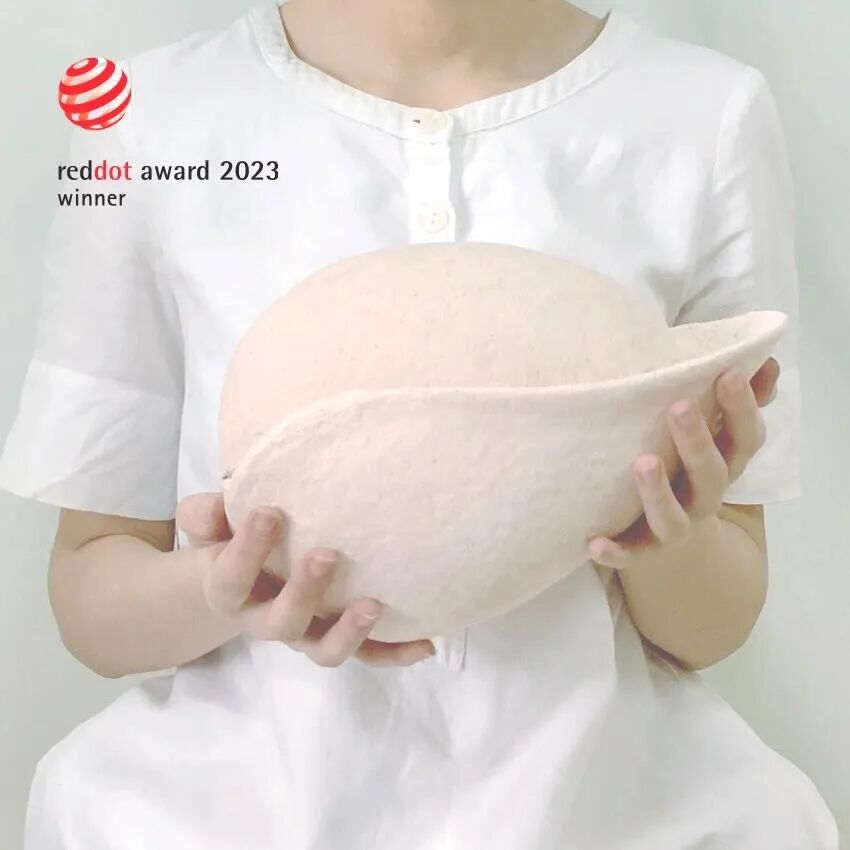
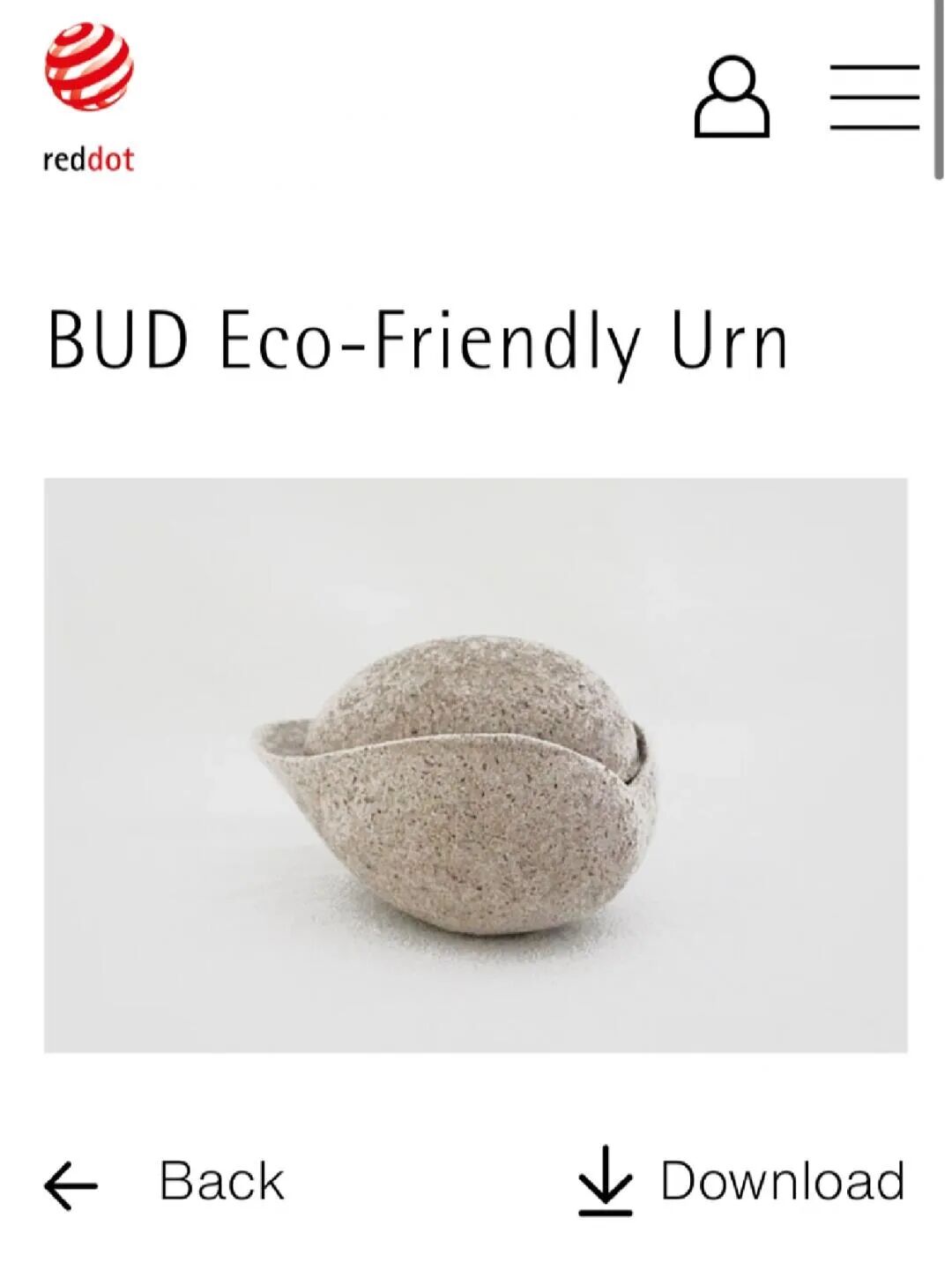
“Bud” is also like a cradle. In the final stage of life, people return to a childlike vulnerability, needing warmth and care. The form of a bud reflects this: both an ending and a beginning.
Natural materials like flower fibers, bark, and fruit shells are used, allowing the surface to feel more organic and return more easily to nature.
Building a Business in a Difficult Space
Turning such designs into a business is not easy.
Wan He and Li Feng started by focusing on pet memorial products, hoping to gently introduce people to a different way of thinking about loss.
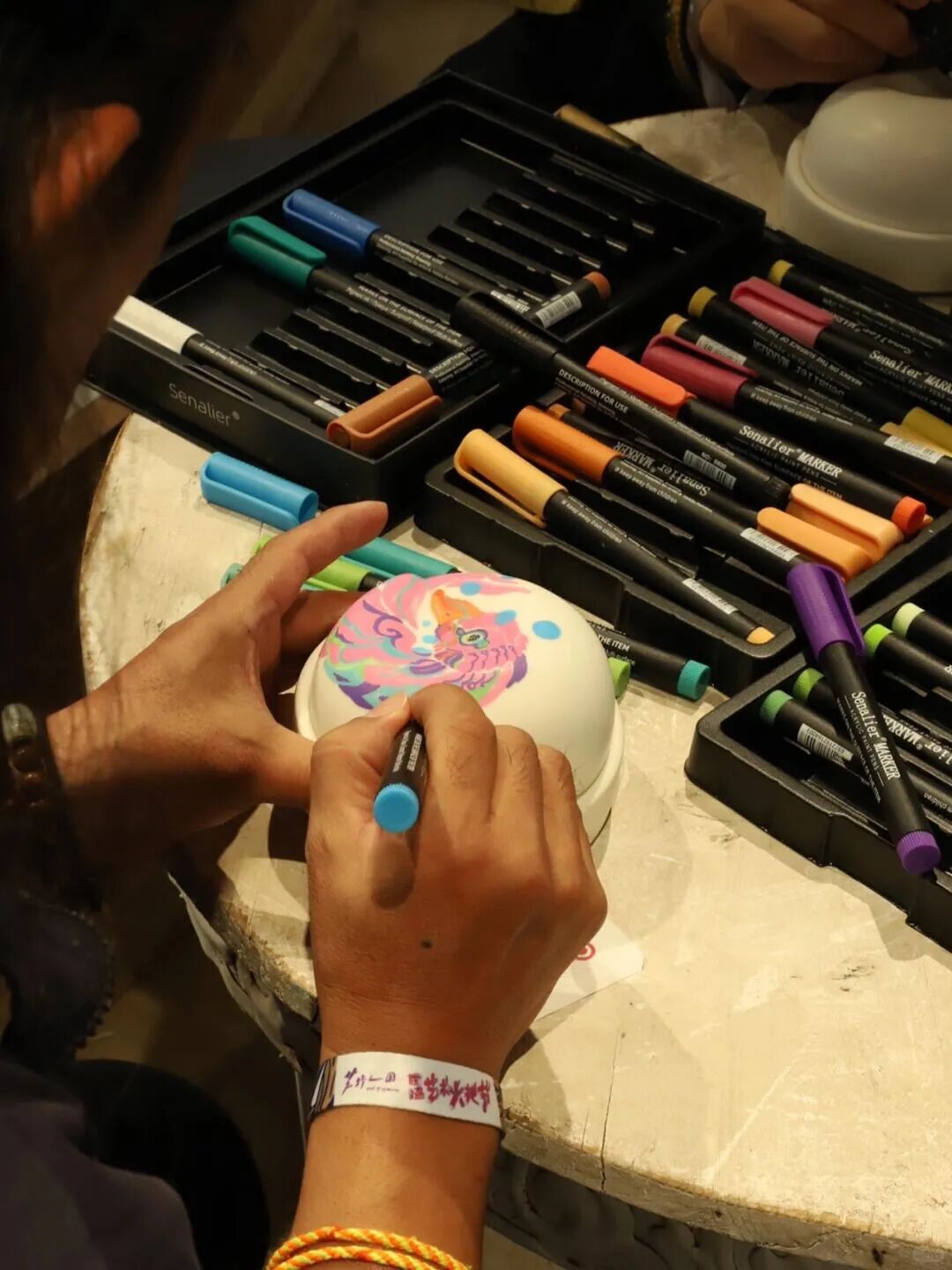
They often reduce unnecessary visual elements, leaving space for customers’ emotions to fill in the meaning. They also host workshops in Yunnan, where people can paint their own memorial pieces and express personal farewell stories through art.
At the same time, their creative work extends beyond grief.
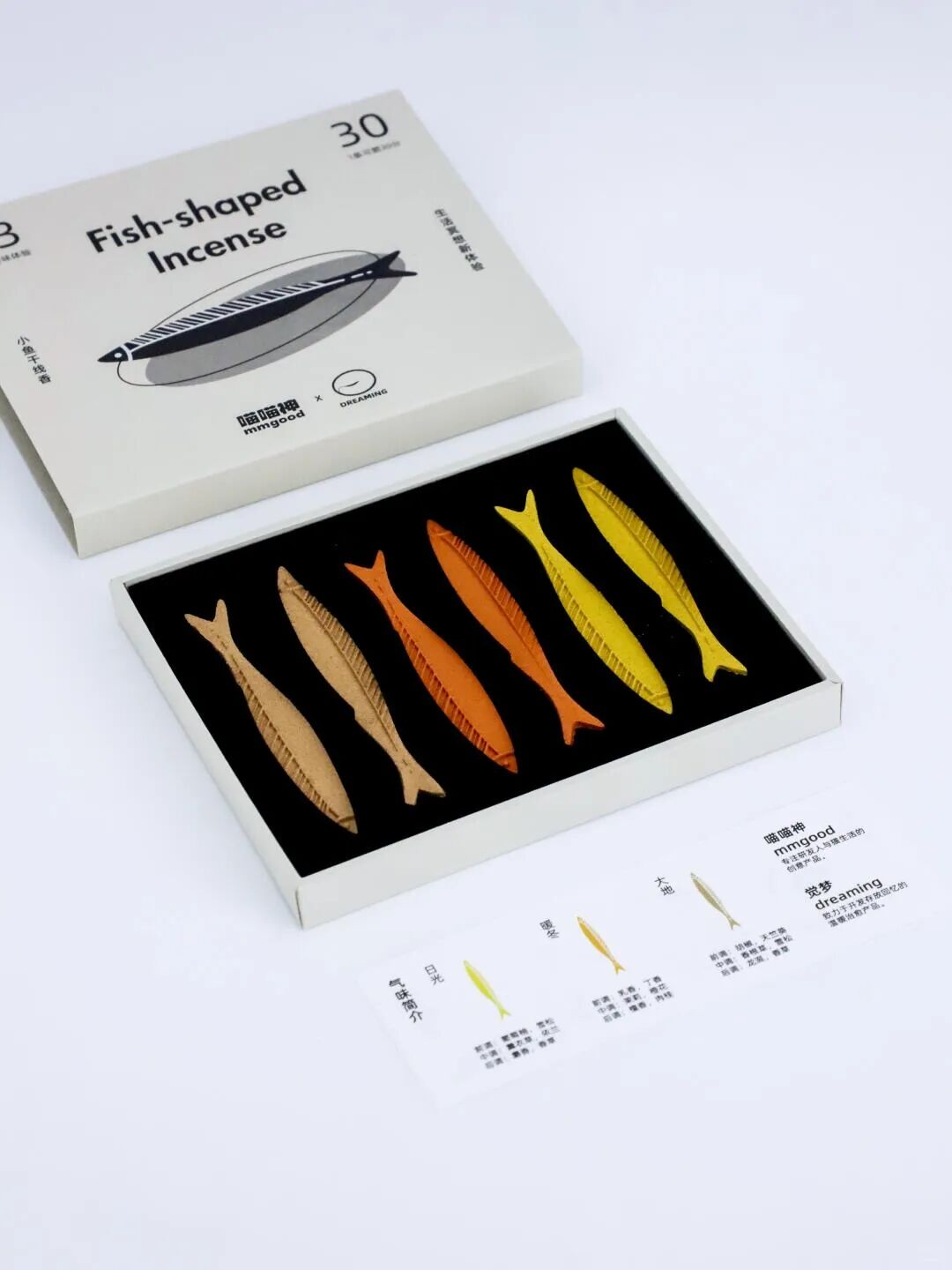
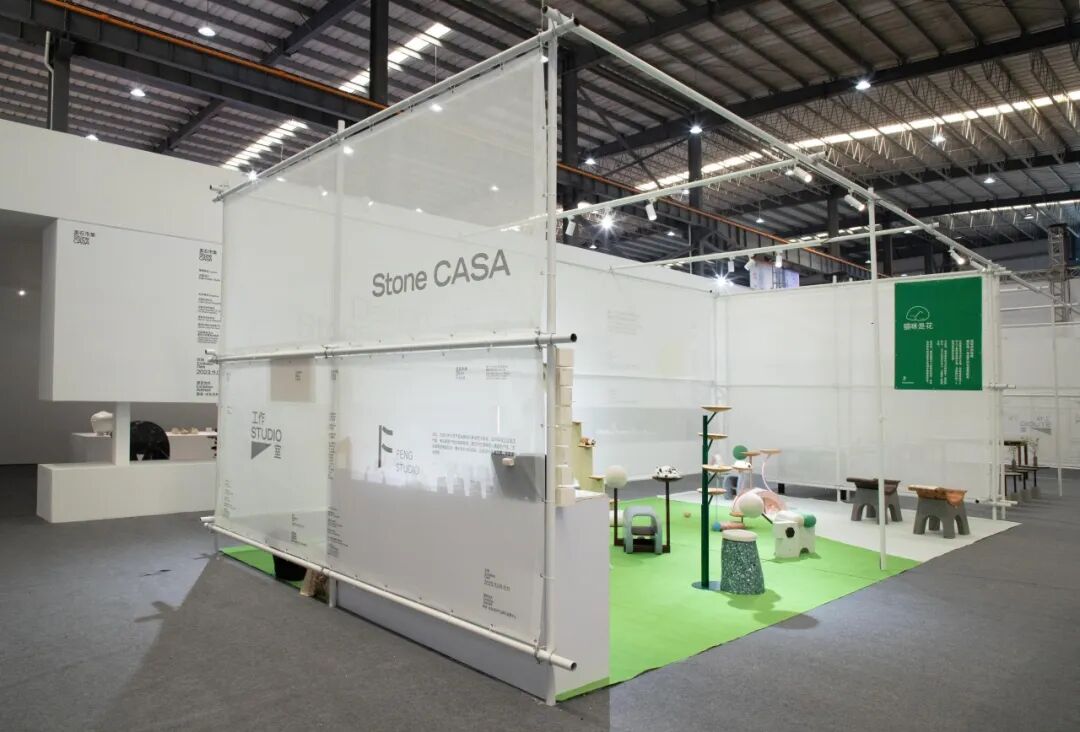
Together, they also co-founded a playful brand focused on cat-inspired lifestyle products called “Meow Meow Shen mmgood.”
Here, design shifts from memory to everyday companionship.
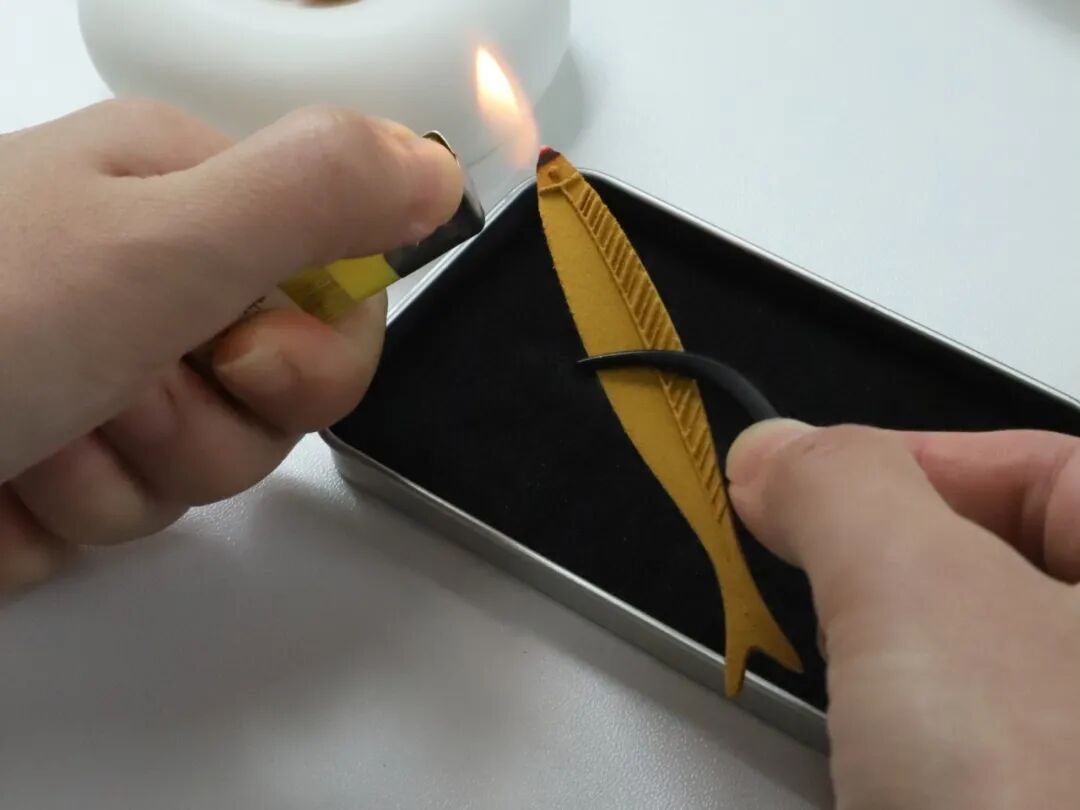
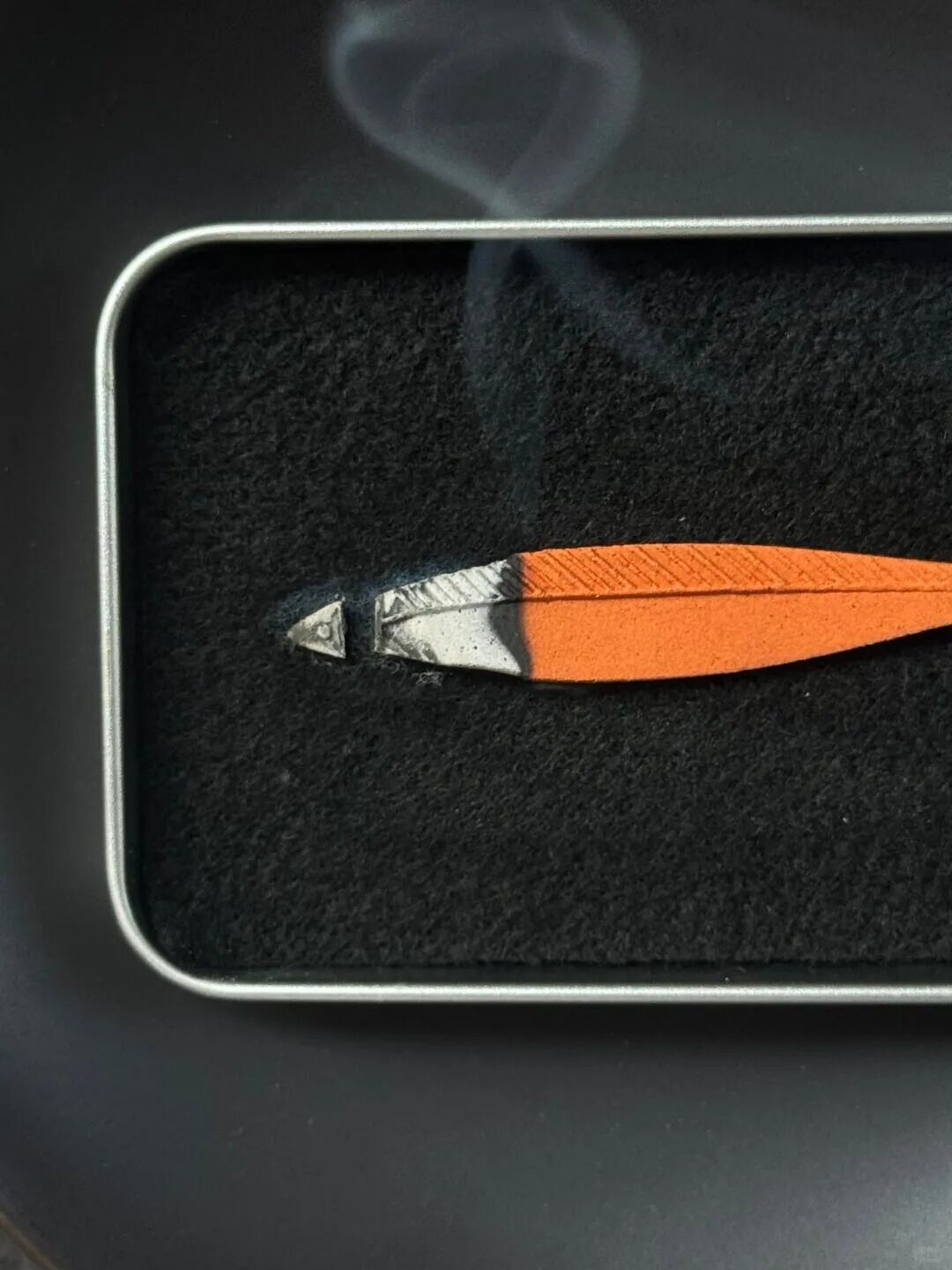
One collaboration between Dreaming and Meow Meow Shen created a small incense stick shaped like a dried fish.
When lit, it releases a calming scent. It can be used as a daily relaxation object—or symbolically offered as a “treat” to a departed cat. The ashes even resemble a tiny fish bone after burning.
Another design, a rotating “diving cat” phone stand, was inspired by the way cats curl up—like athletes preparing for a dive.
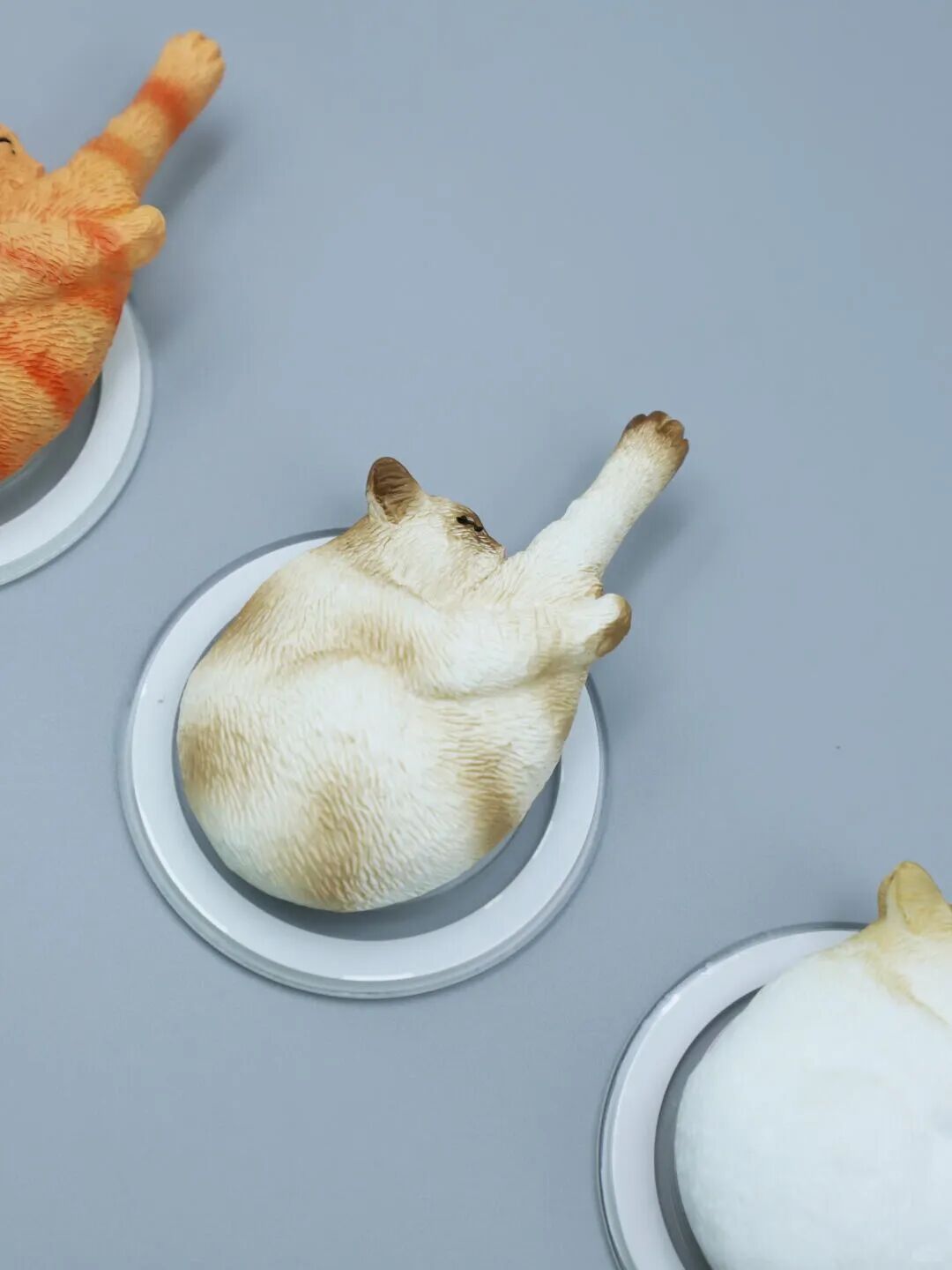
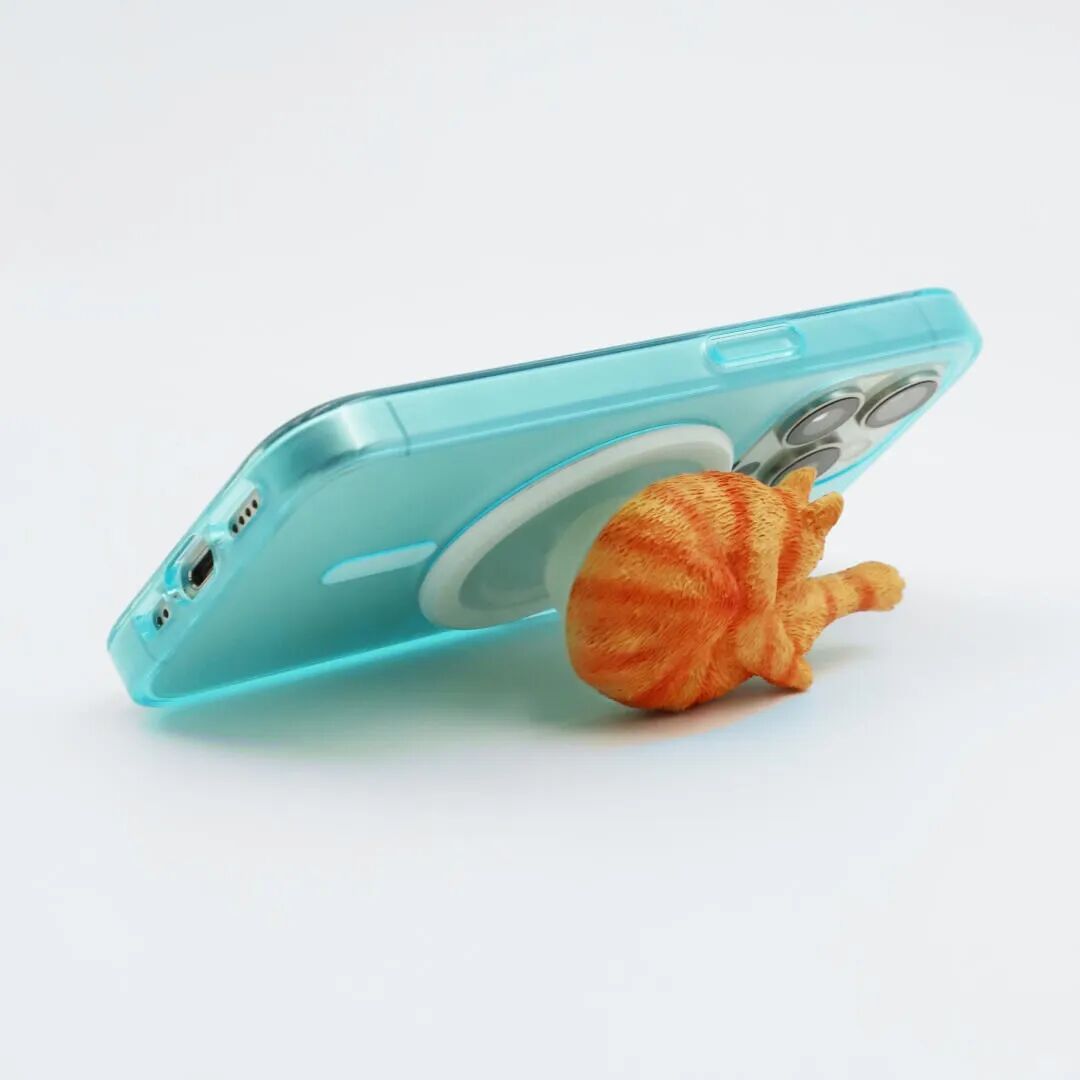
“It’s something you can spin when you’re bored,” Li Feng says. “It slowly improves your mood.”
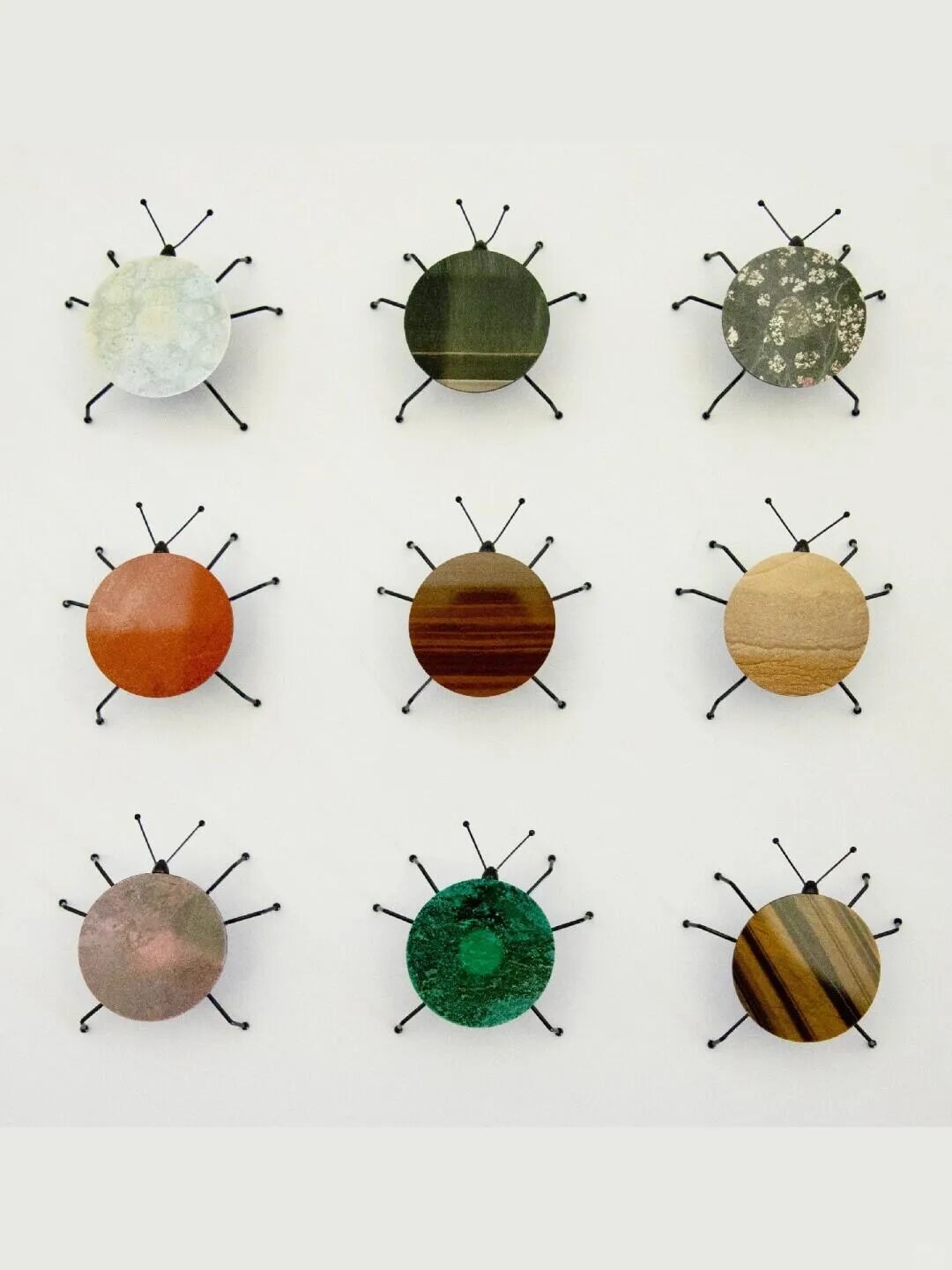
Their work often carries a soft, understated “gentle mood”—quiet, warm, and slightly whimsical.
A Difficult but Worthwhile Road
Despite growing awareness in the pet industry, pet memorial design is still in an early stage.
“Designing original urns feels like sailing in fog,” Wan He says. “There is no clear direction telling you whether your idea is right.”
Li Feng adds that while more competitors are entering the field, many lack brand thinking, resulting in similar and repetitive products.
“We want to build a young memorial design brand and attract more designers into this space,” they say.
Rather than constantly launching new products, they prefer to refine existing ones—exploring materials, patterns, and collaborations with artists.
Even their marketing remains minimal. Most customers find them organically through Xiaohongshu, and everything from design to production and shipping is done in a small studio in Shenzhen.
“We try not to promote too aggressively,” they explain. “It might feel uncomfortable or even intrusive. This is, after all, something about sadness.”
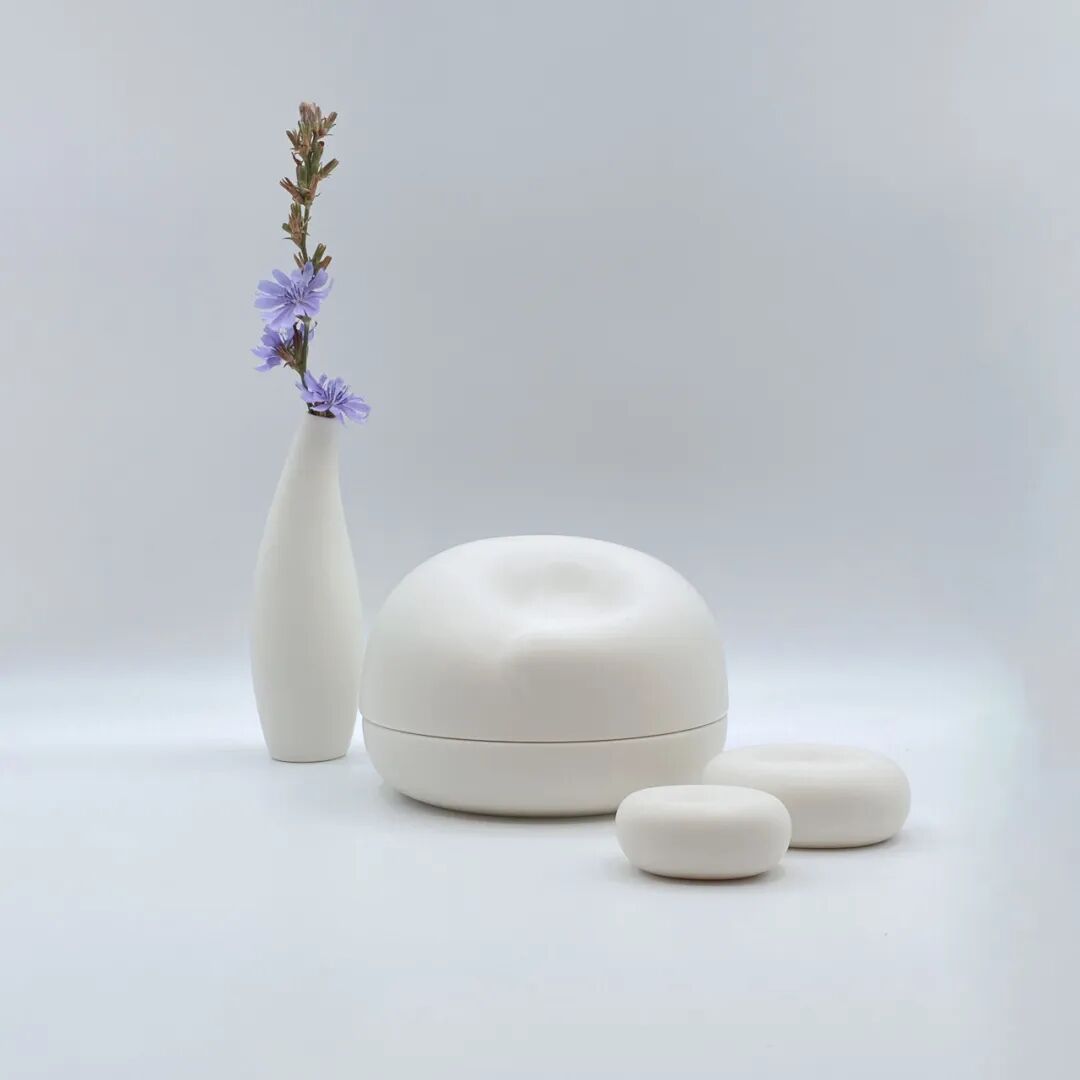
Instead, they hope people discover the work when they need it most.
Some of the most meaningful moments come after sales—when customers leave messages, share photos of their pets, or describe how the object helped them cope with grief.

These messages become the quiet support that keeps them going.
Designing with Care, Not Fear
Reflecting on her journey, Wan He shares that working on urn design changed her relationship with loss.
“I started to truly face the passing of pets and loved ones only after doing this work,” she says.
“I hope my designs carry blessings. I don’t want to emphasize only sadness. You can also express the words you never said, the wishes you didn’t finish. Design can hold those feelings for you.”
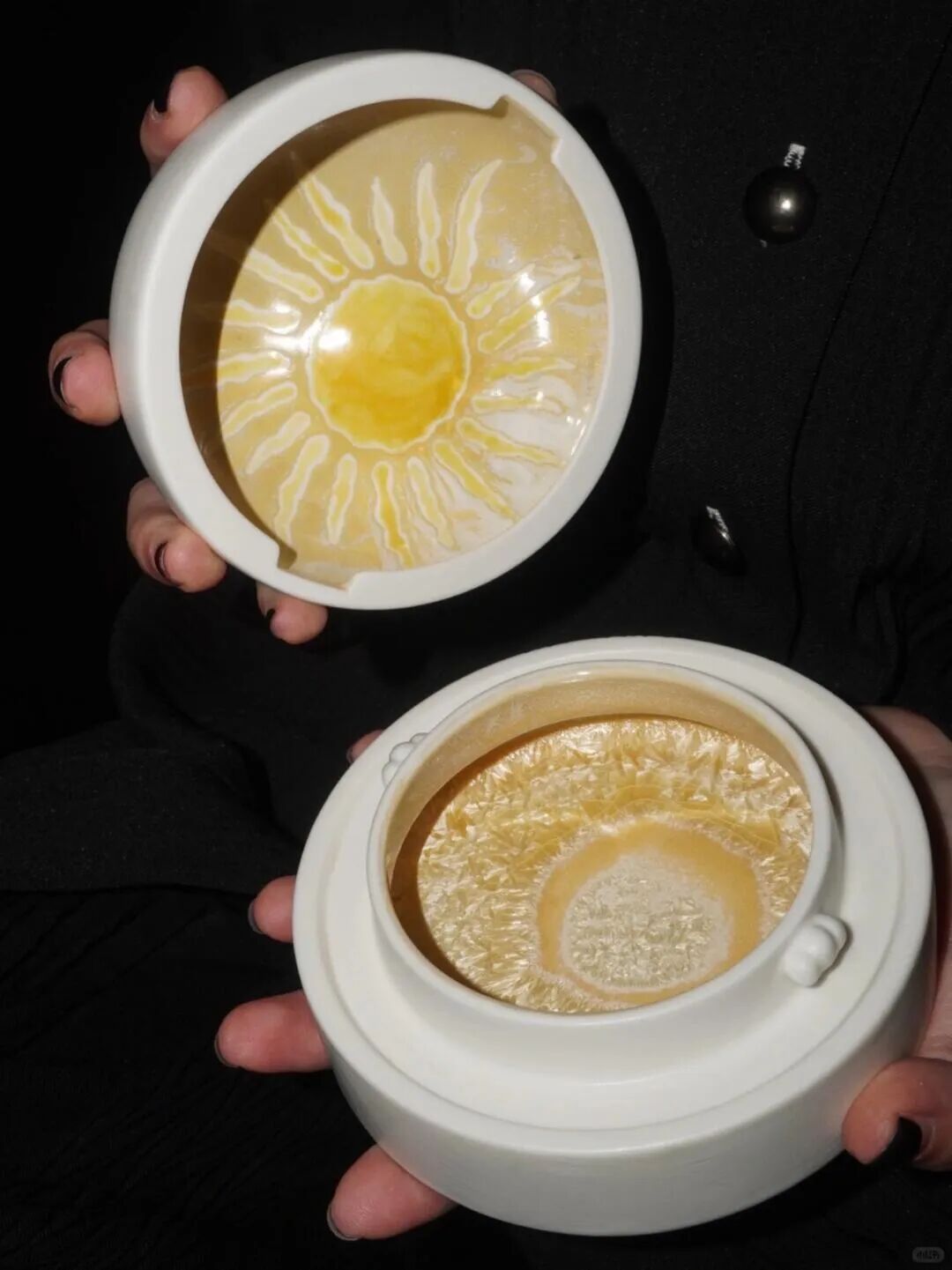
The name “Dreaming” comes from the idea of dreaming as a continuous present tense—a state where life stays peacefully in a beautiful dream, while the living carry memory forward.
“In the future, I hope our work can continue to accompany those who wake up from that dream, and bring a little warmth to the days ahead.”
Originally published by “Dialogue with Lingganjia” on WeChat Official Account.